People
Meet the current and former members of the BioElectronic Systems Technology group based at the Department of Chemical Engineering and Biotechnology at the University of Cambridge
| Group leader
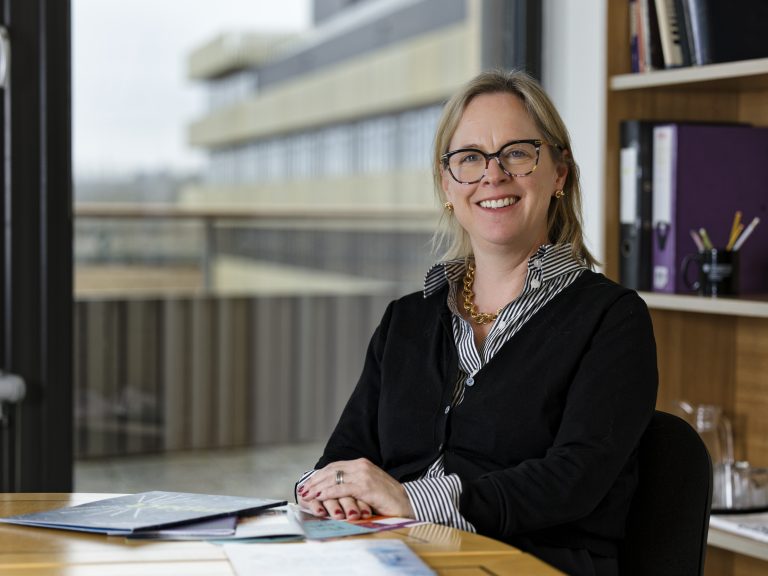
Professor Róisín Owens
Róisín M. Owens is Professor of Bioelectronics at the Department of Chemical Engineering and Biotechnology at the University of Cambridge and Fellow of Newnham College. She is originally from Dublin and received her BA in Natural Sciences at Trinity College Dublin, and her PhD in Biochemistry and Molecular Biology at Southampton University.
She carried out two postdocs at Cornell University, on host-pathogen interactions. From 2009-2017 she was group leader in the dept. of bioelectronics at Ecole des Mines de St. Etienne, on the microelectronics campus in Provence.
With her group, she studies the integration of electronic devices with biological systems for continuous monitoring, from cell membranes to tissues and organs, with a particular interest in studying the microbiome-gut-brain axis. In her free time, she enjoys running, rambling and singing.
| Group support
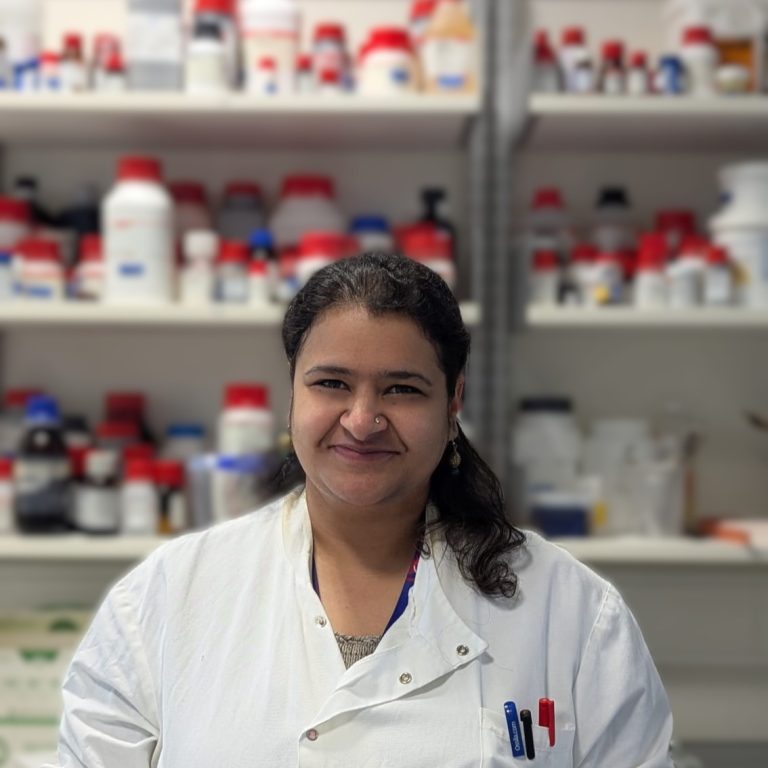
Dawn Curtis
PERSONAL ASSISTANT
Dawn Curtis is Personal Assistant to Professor Róisín Owens of Bioelectronics at the Dept. of Chemical Engineering and Biotechnology.
Dawn has been with the University since 2023 and has over 25 years of experience as a PA. She has worked in various sectors in this time including compliance, financial regulation, investment banking and medical.
Outside of work, she enjoys the gym, squash, dog walks, baking, and catching up with family and friends.
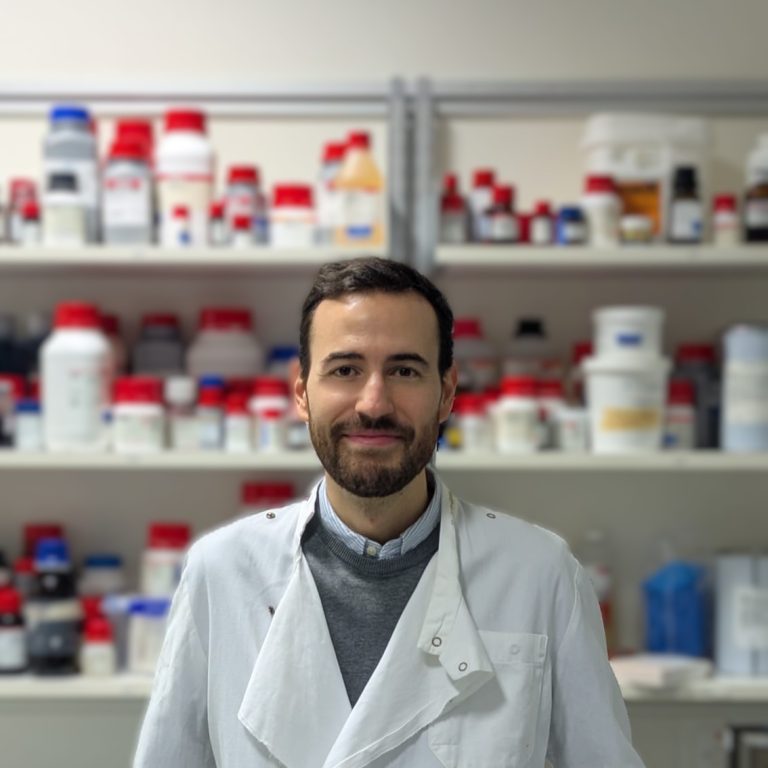
David Rowland
RESEARCH LABORATORY TECHNICIAN
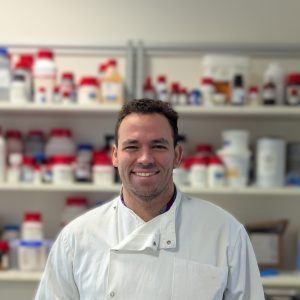
David Rowland is a Research Laboratory Technician supporting cell culture work and operational management.
Originally from London, he studied neuroscience at Keele University with pregraduate and postgraduate experience in applied neuroscience at the York Science Park and Nottingham University, respectively.
He’s since specialised in cell culture, through experience in viral pain and axon biology labs at Queen’s Medical Centre in Nottingham and across stem cell research labs at Oxford, as well as gaining molecular biology experience as a Research Assistant at the Wellcome Sanger Institute.
Beyond the lab, David’s hobbies include reading, running and listening to podcasts. Within the lab, he is known as the Cell Whisperer.
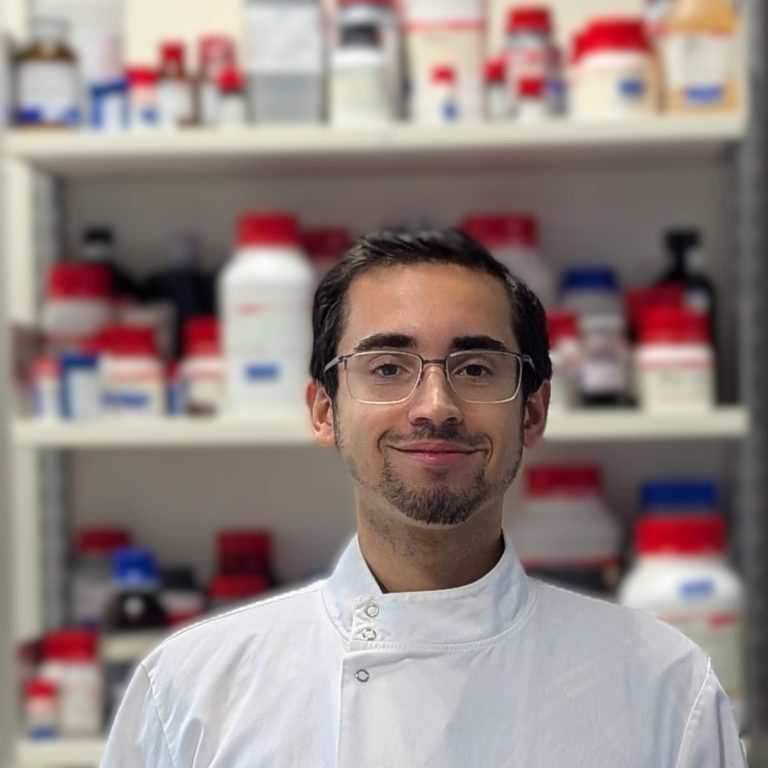
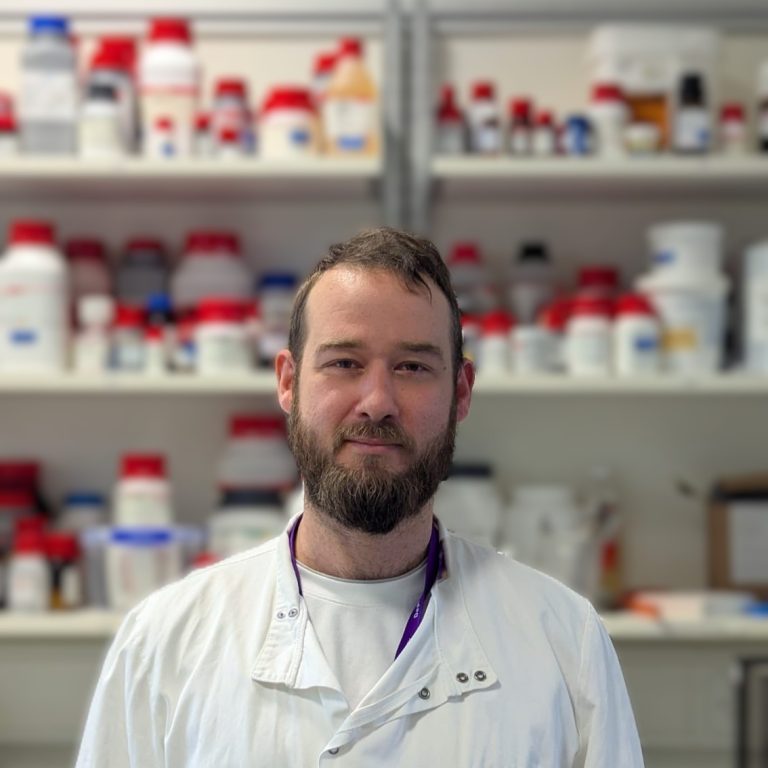
Dr Reece McCoy
RESEARCH MANAGER
Reece McCoy is originally from the UK and holds an MEng in Chemical Engineering (University of Birmingham), an MRes in Nanoscience and Nanotechnology as part of the NanoDTC (University of Cambridge), and a PhD in Bioelectronics (University of Cambridge).
His research experience spans drug delivery, tissue engineering and advanced materials characterisation, with his doctoral research focused on developing bioelectronic in vitro models of the gut to enable real-time monitoring of host-pathogen interactions.
Beyond the lab, Reece enjoys scuba diving, recreating dishes inspired by his travels, and unwinding with a pint or two of Guinness down the pub.
| Postdoctoral research associates
Dr Rachana Acharya
Rachana Acharya is a materials scientist and currently a Postdoctoral Research Associate at the Department of Chemical Engineering and Biotechnology at the University of Cambridge. She started her academic journey as a metallurgical and materials engineer at VNIT Nagpur in India and completed her Masters in Materials Science and Engineering from UCLA, USA. She then moved to the Max Planck Institute for Solid State Research in Stuttgart, Germany where worked on organic thin-film transistors She was awarded the Marie Skłodowska-Curie Actions Postdoctoral Fellowship in 2023 and was also offered the Leverhulme Early Career Fellowship in the same year. Currently, she also holds a Bye-Fellowship at Lucy Cavendish College and is a Postdoctoral Affiliate at Newnham College where she teaches Materials Science.
Rachana has multidisciplinary research interests in materials science, electronic device physics and cell biology and is currently developing versatile bioelectronic devices for understanding cell behaviour and building in vitro organ models. Outside the lab, she enjoys reading feminist fiction, crocheting knick-knacks for her friends and experiencing local theatre and standup comedy shows.
Dr Hanne Biesmans
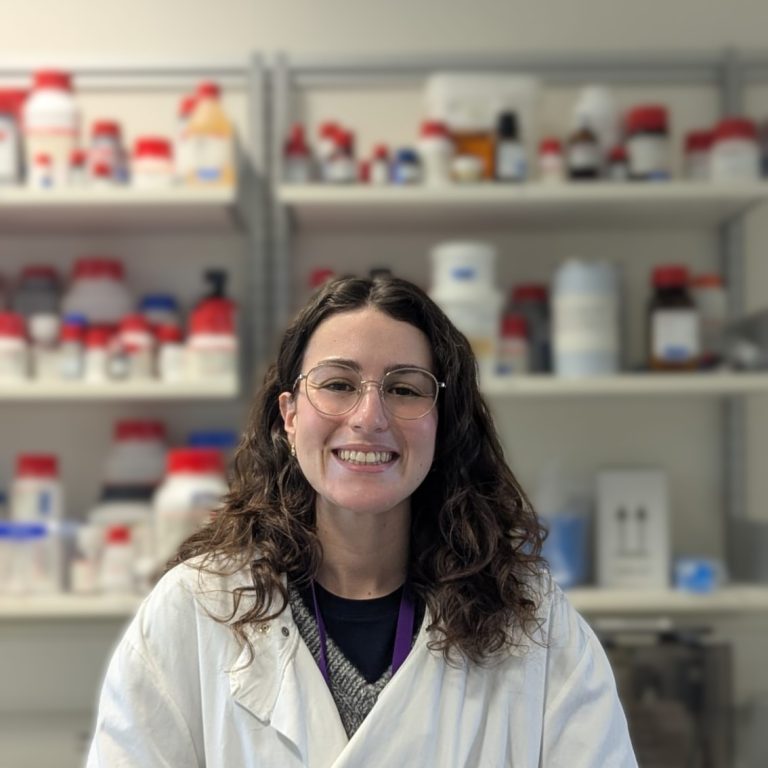
Hanne Biesmans, originally from Belgium, is a molecular biologist with extensive experience in materials science.
After completing her master’s in Biomedical Sciences at Hasselt University (Belgium), she moved to Sweden to complete her PhD in Organic Bioelectronics at Linköping University. During her PhD she developed a new generation of injectable electrodes that can self-assemble inside living tissues.
This research earned her a spot on the Forbes 30 under 30 Europe List in 2024 in the Science & Healthcare category. In the BEST-group, she is focused on developing advanced gut models to study the effect of the female hormonal cycle on the disease progression of IBD.
In her spare time, Hanne enjoys dancing, reading and playing cello.
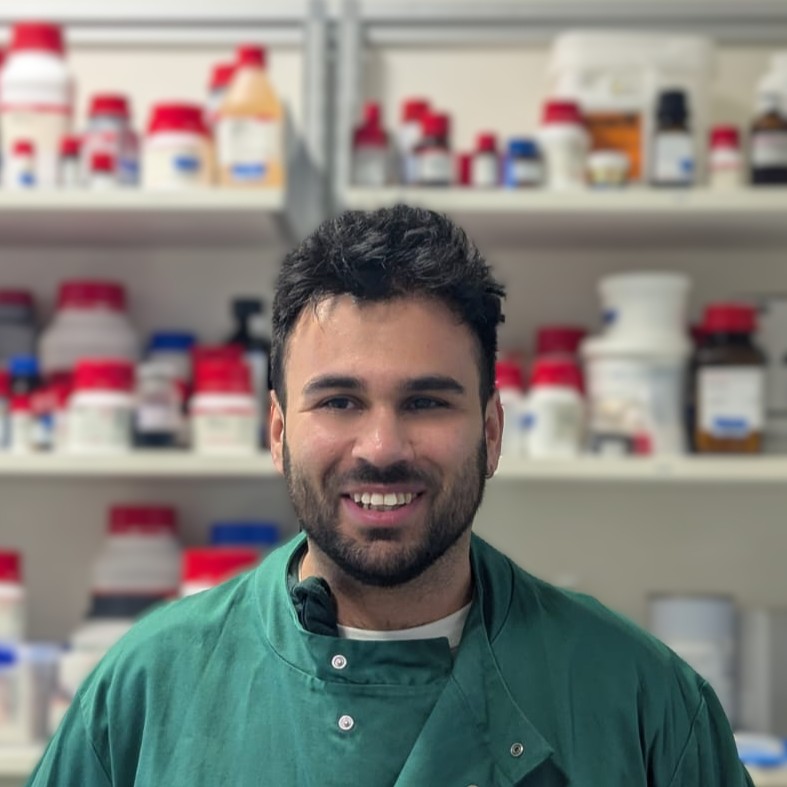
Dr Alvaro Castaño Medina
Alvaro Castaño Medina is a neurobiologist specialising in the Enteric Nervous System (ENS), the so-called ‘second brain’ in our gut. Originally from Spain, he completed his PhD at Imperial College and The Francis Crick Institute in London, where he explored how environmental and physiological factors shape enteric neural circuits.
During his current postdoctoral research at the University of Cambridge, he is developing new tools to study ENS dynamics in real time.
He was awarded a GIBA Fellowship in 2026.
Beyond research, he enjoys travelling, cooking, and basketball.
Dr Daniel Kaufman
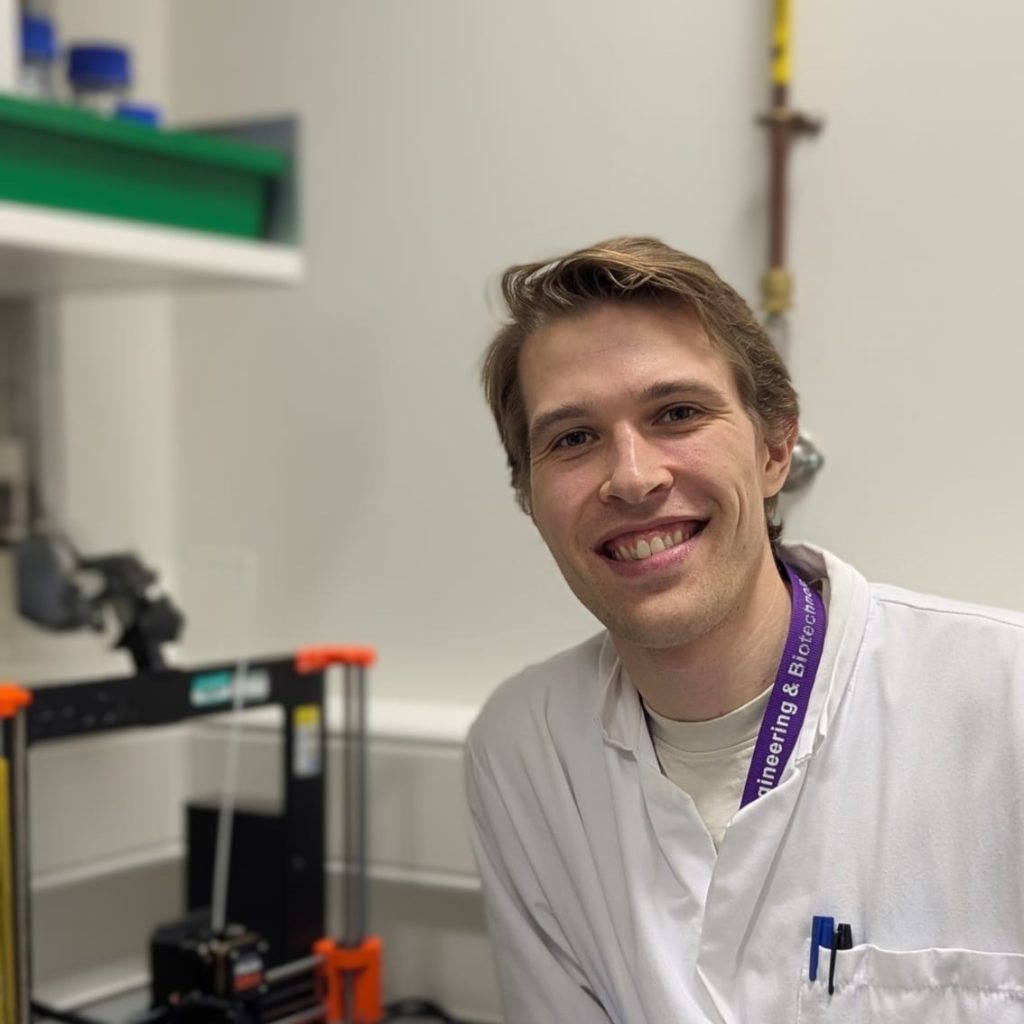
Daniel Kaufman is a Blavatnik Postdoctoral Fellow and Marie Skłodowska-Curie Actions Postdoctoral Fellow in the BEST group working on exploring how psychobiotic bacteria influence gut physiology and gut–brain–immune interactions.
Daniel, originally from Israel, obtained his B.Sc. and M.Sc. in Biomedical Engineering from Ben-Gurion University of the Negev (BGU; Israel), developing lab-on-chip devices investigating activation of electrogenetic cycles in bacteria using redox mediators. He also obtained a PhD in Biomedical Engineering from BGU, where he developed bioelectronic gut-on-chip platforms to study redox communication between mucins and gut bacteria.
Outside the lab, he has a keen interest in history, sports, culture and cinema.
Dr María López Cavestany
María López Cavestany is a Marie Skłodowska-Curie Actions Postdoctoral Fellow in the BEST group working on 3D printing conductive hydrogels to replicate the intestinal tissue architecture. She is originally from Madrid, Spain, but has also lived in Canada, New York, Texas, and Tennessee before coming to the UK.
She completed her B. Eng. in Biomedical Engineering from Stevens Institute of Technology and then received an M.S. and a Ph.D. in Biomedical Engineering from Vanderbilt University. Her favourite hobby is exploring new cities with her pup Kika.
Dr Douglas van Niekerk
Douglas van Niekerk obtained his PhD in Chemical Engineering and Biotechnology from the University of Cambridge, where he developed bioelectronic platforms for monitoring and modelling 3D tissue systems.
He is currently a Postdoctoral Research Associate in the same department, investigating the mechanisms of bioimpedance measurement through advanced modelling and materials design. His research sits at the interface of electronics, electrochemistry, and tissue engineering, with a growing interest in translation and commercialisation of bioelectronic technologies. Originally from South Africa, Douglas is passionate about mentoring students and fostering interdisciplinary collaboration between engineering and the life sciences.
When not in the lab, he enjoys mountain biking, woodworking, and most things on or in the water — from sailing to scuba diving.
| PhD students
Juliana Ferraro
Juliana Ferraro is an EPSRC Sensor CDT PhD student co-supervised by Professor Ronan Daly (Engineering). Originally from Montreal, Canada, she completed a B.Eng. in Chemical Engineering with a minor in Nanotechnology at McGill University. She also holds an MRes from the University of Cambridge in Sensor Technologies.
Her PhD research aims to develop in vitro models and measurement devices to understand aerosol interactions with biomimetic lung tissue using a combination of optical and electrical sensing techniques.
Imogen Harrison
Imogen Harrison is a CEPS CDT (Connected Electronic and Photonic System Centre of Doctoral Training) PhD student from the UK. She completed her MSci degree in Natural Science (Medical Physics and Biomedical Science) at UCL and MRes at the University of Cambridge.
Her research focuses on developing an in vitro model of the gut, including the enteric nervous system.
Beyond her research pursuits, her hobbies include sports such as marathon running and is heavily involved in the student union at Churchill College.
Darius Hoven
Darius Hoven is a BBSRC DTP and Harding Distinguished Postgraduate Scholars Programme PhD student from Germany. His research focuses on developing technologies to electrically interface with biological systems to better understand their function.
In particular, he is working on integrating sensors and actuators into in-vitro microphysiological systems to enable closed-loop control and seamless interfacing with human physiology. He holds a B.Sc. and M.Sc. degree in (Bio)medical Technologies from the Universities of Stuttgart and Tübingen.
He has gained hands-on experience in biosensor development, electrochemistry, and implantable biomedical systems through research at the Natural and Medical Sciences Institute (NMI), the Technical University of Munich (TUM), and ETH Zurich, as well as startup experience with Hemetron AG. Passionate about bridging academia and industry, he aims to translate bioelectronic innovations into real-world healthcare solutions.
Outside the lab, Darius enjoys sports and working on DIY projects.

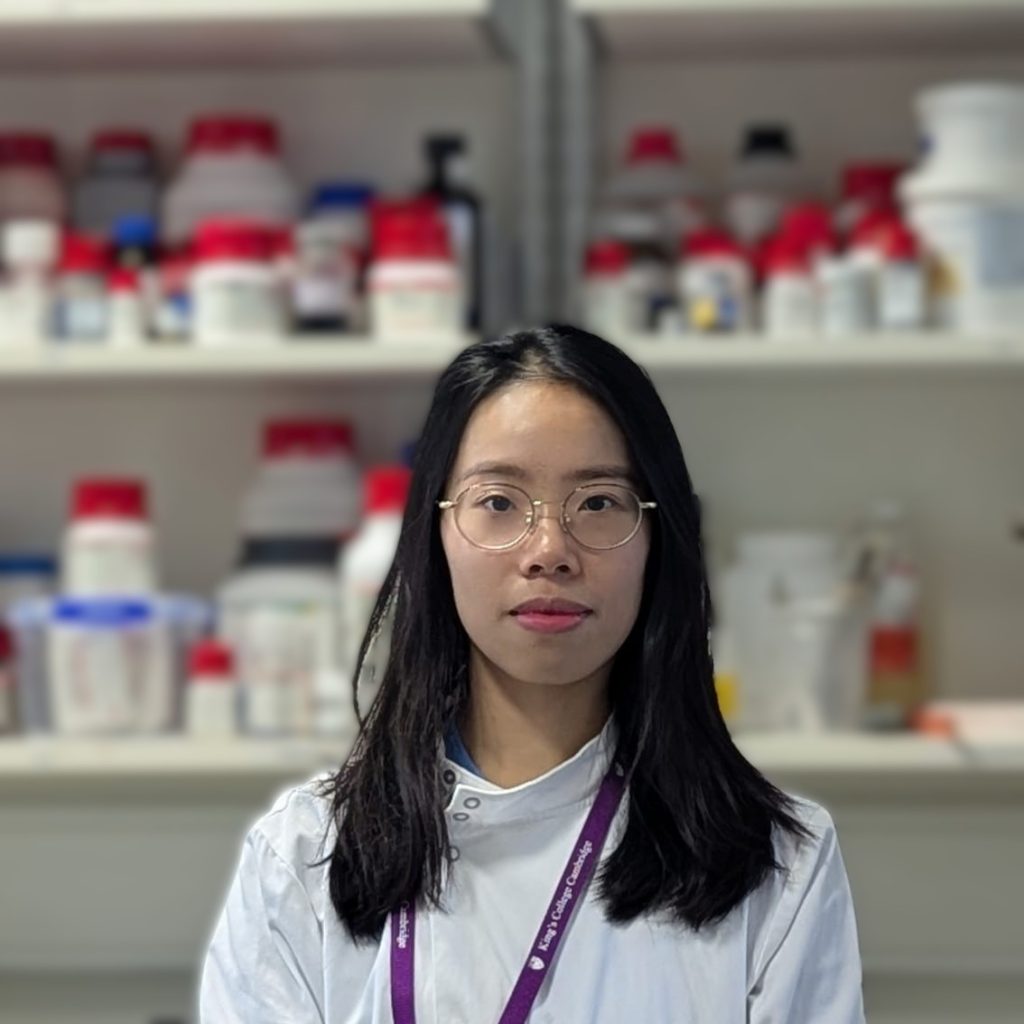
Shiyun (Elsie) Li
Shiyun (Elsie) Li is a first-year PhD student researching the integration of bioelectronics with living systems to better understand cell behaviour and physiological processes.
Originally from China, she studied in Australia and completed a Bachelor of Biomedical Engineering at the University of Sydney, followed by an MPhil in Biotechnology at the CEB, University of Cambridge.
Outside the lab, she enjoys playing tennis, painting, and photography.
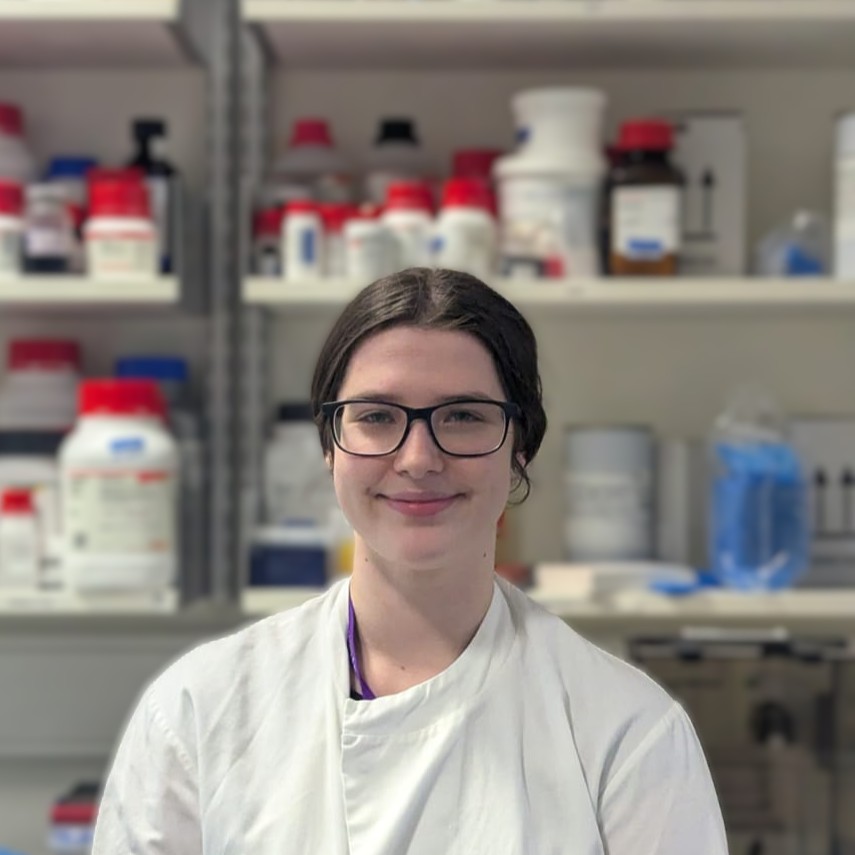
Hannah Phillips
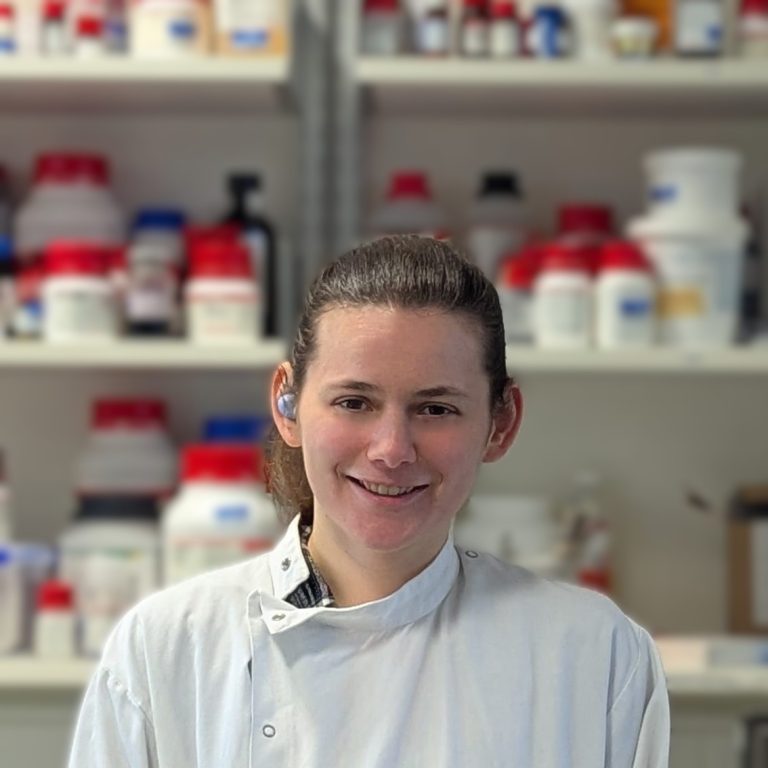
Hannah Phillips is a first year PhD student working on developing conformal electronic devices for continuously and non-invasively measuring barrier tissue in collaboration with AstraZeneca.
She received a first-class BEng in Biomedical Engineering (Electronics) from the University of Southampton, where she also received the ‘ECS Prize’ for achieving the highest marks in the cohort.
Outside of research, she enjoys running, baking and spending time with friends and family.
| Masters students
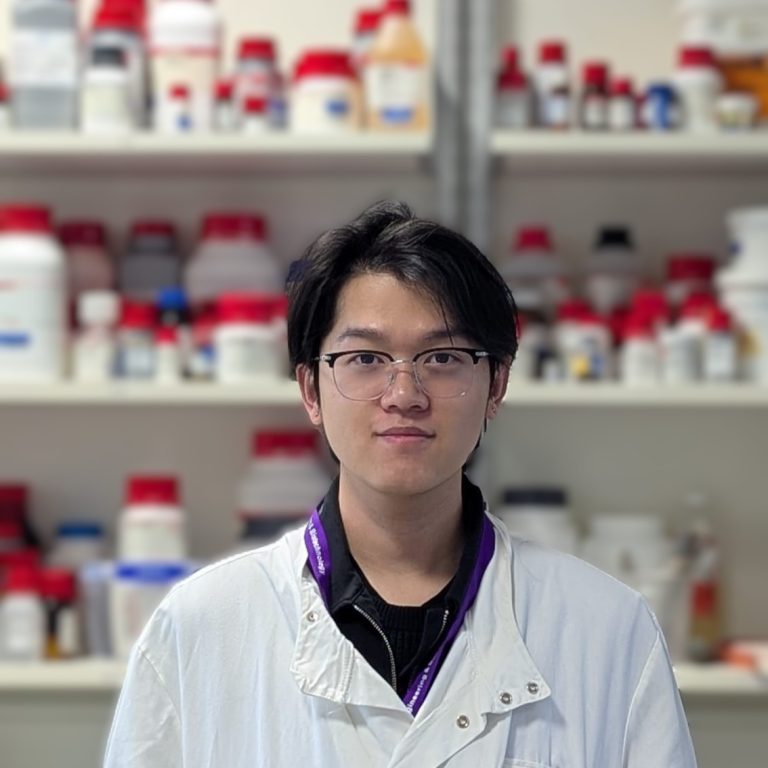
Chenyang (Charles) Li
Chenyang (Charles) Li is a MPhil by research student from China, his research focuses on the design of conformal devices outside of the clean room, characterisation and electrical impedance spectroscopy monitoring of in vitro tissues using those devices.
Charles holds a BEng with first class honours in Material Science and Engineering from Imperial College London, where he received the ‘Governors’ BEng Prize in Materials Student Award.
Besides research, Charles enjoys music, singing, watching anime, and playing computer games, and he also tries to compose his own music.
Former members
In memorium
Emma Sumner
Emma was a final year PhD student working with the Bioelectronic Systems Technology group at the Department of Chemical Engineering and Biotechnology and the Cambridge Centre for Medical Materials at the Department of Materials Science and Metallurgy. She was a member of Selwyn College.
Emma died suddenly of natural causes on 27 January 2026.
Emma was a much-loved member of our group and the Department. We remember her fondly, and our thoughts remain with her family and friends.
Alumni
- Zixuan (Henry) Lu
- Konstantinos Kallitsis
- Alexander Boys
- Achilleas Sava
- Chrysanthi Moysidou
- Shani Kirma Elias
- Verena Stoeger
- Ju An Park
- Ying Fu
- Janire Saez
- Anna-Maria Pappa
- Charalampous (Babis) Pitsalidis
- Donata Iandolo
- Alexandra Wheeler
- Sophie Oldroyd
- Kumar Thurimella
- Suraj Pavagada
- Sarah Barron
- Chiara Barberio
- Karan Bali
- Akhila Jayaram
- Walther Traberg-Christensen
- Yash Mishra
- Simone de Rijk
- Aimie Pavia
- Gratsiela Kostova
- Yunqi Wang
- Kaixin Wang
- Sofia Herrero Barros
- Kate Farrelly
- John Magness
- Amaury Genovese
- Stephen Voong
- Caredig Ap Thoma
- Simon Konig
- Vladimir Shapovalov
- Arvind Pujari
- Mahabiath Husain Nabil
- Vladimir Shapovalov
- Regana Vasanthanayagam
- Julia Yan
- Damyan Tilev
- Prof Mario Caironi (IIT, Italy)
- Louis Goutte (Masters, France)
- Gorane Sansiñena (Spain)
- Dionisio Pedro Amorim-Neto (PhD, Brazil)
- Sergio Javier Peñas Núñez (Spain)
- Waswan Prempinij (PhD, Thailand)
- Prof Jason Cheng (UC Irvine, USA)
- Alex Bartram (Masters, UK)
- Yejin Youm (PhD, Korea)
- Prof Jadranka Travas Sedjik (Auckland, New Zealand)
- Sam Humphrey (PhD, UK)
- Davina-Nelson Apiyo (PhD, South Africa)
- Maite Garcia-Hernando
- Romane Vallet (Masters, France)
- Priscila Cavassin (Masters, Brazil)
- Pablo Rioboó
- Eleonora Martinelli (Masters, Italy)
Technical research and support
- Kate Naylor
- Aimee Withers
- Ioanna Charalambous
- Mercedes Cornelius