
 Driven by curiosity. Driving change
Creative Hub
Science should not be confined to the lab and discussed only in a group of selected experts.
Creativity takes many forms and shapes, and our research has always benefited from numerous interactions with other creatives: artists, journalists, designers, chefs, anybody interested in mixing, dissolving, cooking and inventing with us.
We also believe in the power of knowledge and balanced and truthful information, and often take part in popular science activities and events to inform, discuss and inspire while never forgetting to play a little and have some fun with science as well.
Science stories
Discover the ideas, challenges and discoveries behind our research.
Rather than academic papers or news articles, these stories offer personal perspectives on the science we do and the people who do it.
→ Explore Science stories
Outreach and engagement
Discover how we share our research beyond the laboratory through public talks, festivals, school activities, patient engagement and science communication initiatives.
→ Explore Outreach and engagement
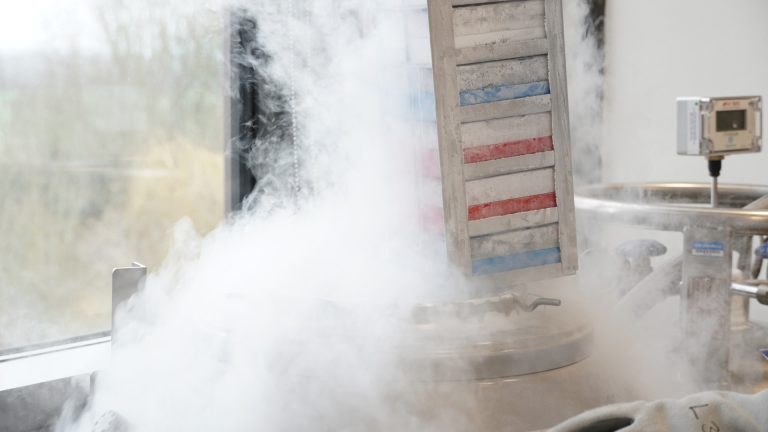
Artists in residence
Creativity, experimentation and curiosity are at the heart of both art and science. Through our Artists in Residence programme, we work with artists whose practice intersects with materials, colour, sustainability, technology and the natural world.
By embedding artists within the FrukLab, we create opportunities to explore our research from new perspectives, uncover unexpected applications for our materials and methods, and engage wider audiences with the science behind our work.
Dr Jennifer Crouch - current
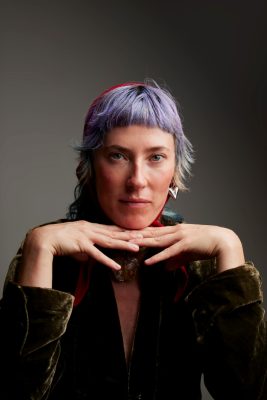
Dr Jennifer Crouch
Dr Jennifer Crouch is an artist, researcher and art-science practitioner whose work combines drawing, textiles and sculpture with scientific research. As the current Artist in Residence with the Fruk Lab, she explores the creative and conceptual dimensions of bionano engineering, developing interdisciplinary connections between scientific research, artistic practice and public engagement.
→ More about her work
Diana Scarborough
Diana Scarborough
Cambridge-based multidisciplinary artist Diana Scarborough was the group’s first Artist in Residence. Her work explores the intersection of art, technology, history and the environment, translating complex scientific ideas into immersive and thought-provoking experiences. She twice used the Cambridge Festival to showcase her work with the FrukLab.
Watch the video made by UKRI:
Nabil Ali
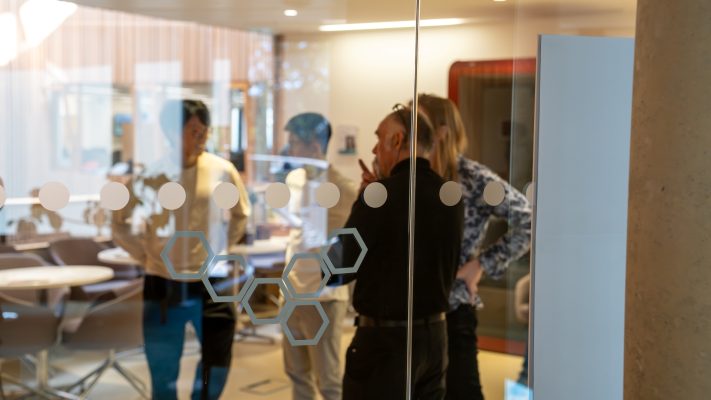
Nabil Ali
Following a residence at Cambridge University Botanic Garden, Nabil collaborated with the FrukLab on a 2025 exhibition exploring dyes, colour and material histories.
Combining historical research with contemporary artistic practice, he uses organic materials and traditional recipes to investigate the relationships between science, culture and the environment. At the end of his residency, he kindly loaned the Department his pieces for display.
Molecules that changed the world
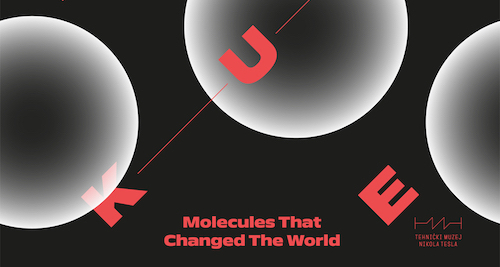
Interactive 3D Installation Molecules That Changed the World was developed together with Bernd Lintermann and ZKM/Centre for Art and Media, in Karlsruhe, one of the leading European cultural institutions.
The installation highlights the molecules which changed our culture, life and social trends, and it features 25 molecules such as ammonia, carbon dioxide and fullerene. It was shown in Karlsruhe, Cambridge and the Technical Museum Zagreb and seen by more than 50,000 visitors.
Chocolate
The FrukLab enjoys exploring unconventional approaches to science communication. In collaboration with Croatian chocolate maker Marina Prijatelj and Croatian Choco Concept, group leader Ljiljana helped develop a series of molecular-inspired chocolates that showcase how chemistry can be creative, engaging and accessible.
The collection includes chocolates inspired by molecules such as ethanol, caffeine, glucose and dopamine, alongside themed creations that celebrate scientific discovery, local heritage and the connections between science, food and culture.
This collaboration highlights the potential of art, design and food to spark curiosity about chemistry and encourage wider public engagement with science.