Skip to content
Cambridge University
   Driven by curiosity. Driving change
  • Home
  • Research
    • Hybrid materials
    • Biosensors
    • Bio-inspired catalysts
    • Nanomedicine
    • Antiviral and antibacterial work
    • Our molecules
  • People
  • Publications
  • Creative Hub
    • Outreach
    • Science stories
  • Back to main site
Cambridge University
Linkedin Facebook-f Instagram X-twitter Tiktok Youtube

Bionano Engineering: People

People

We are a diverse mix of researchers from different backgrounds and career stages, ranging from experienced postdocs to undergraduate students, which makes everyday life in the lab more dynamic and much more interesting.

Meet the team.

Group leadership

Professor Ljiljana Fruk

Ljiljana obtained her International Baccalaureate from United World College of the Adriatic (Italy), studied chemistry at the University of Zagreb and then went on to explore advanced biospectroscopy (PhD at the University of Strathclyde, Glasgow) and DNA structuring and artificial enzyme design (postdoc in the group of Prof. Niemeyer at the Technical University of Dortmund).

She was a group leader at Karlsruhe Institute of Technology, Germany, for 7 years before joining the Department of Chemical Engineering and Biotechnology in 2015. She is a Professor of BioNano Engineering and teaches courses in Bionanotechnology, Chemical Product Design, and Engineering Ethics.

She very much enjoys science fiction books, any activity that involves walking, nature and gardens, dreaming up new chocolate designs, and devising creative strategies to make science more approachable and people around her more curious about life, the universe and everything. 

Helen Marshall - PA

Helen Marshall provides administrative support for the NanoFlash project and is Personal Assistant to Professor Ljiljana Fruk. She brings over two decades of experience as a Senior Teaching Office Administrator from the Cavendish Laboratory, where she played a key role in supporting undergraduate teaching and student administration. Known for her practical approach and commitment to helping others, she enjoys being part of the teams that make teaching, research and collaboration run smoothly behind the scenes.

Post-doctoral researchers

Dr Ishtiaq Ahmed

Ishtiaq obtained his PhD degree in 2007 from the University of Paderborn, Germany, under the supervision of Prof. Karsten Krohn with a thesis on the study of enantioselective epoxidation, asymmetric reduction, and synthesis of bioactive oligomeric flavonoids. He carried out his postdoctoral research in the same group, working on the synthesis of chiral macrolide building blocks from sugar and the synthesis of anthrapyran antibiotics.

In 2010, he moved to the Fruk group at Karlsruhe Institute of Technology (KIT) and worked on the design of photoswitchable, multifunctional linkers for nanoparticle, DNA, and protein modification. In 2014, Ishtiaq joined the group of Prof. Niemeyer at the Institute of Biological Interfaces (IBG-1) in KIT, where he was involved in different projects including the synthesis of different fluoresceins, biotinylated substrates, acridine-based DNA-intercalators and the synthesis of organic molecules used for the modification of silica nanoparticles, proteins and DNA-origami.

In 2020, he rejoined the Fruk group to work on the development of membrane-adherent, light-sensitive nanodevices capable of neuronal activation and the use of surface-immobilised antibodies to target specific cell phenotypes. His research interests focus on the development of new synthetic methods and the synthesis of multifunctional organic compounds used for different biological applications.

Dr Andrew Baker
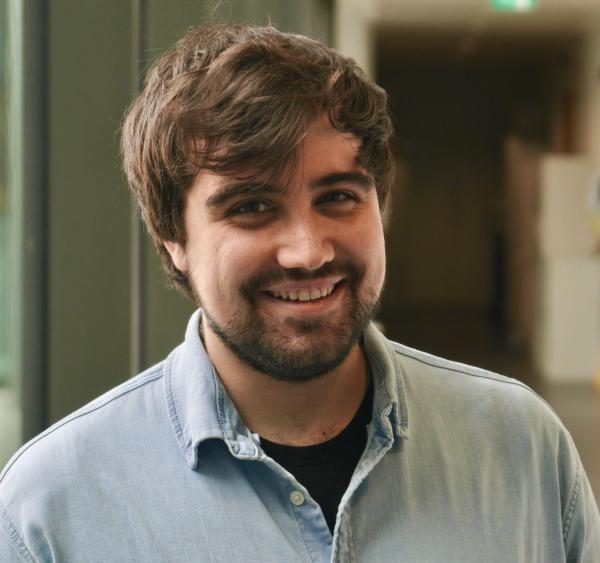
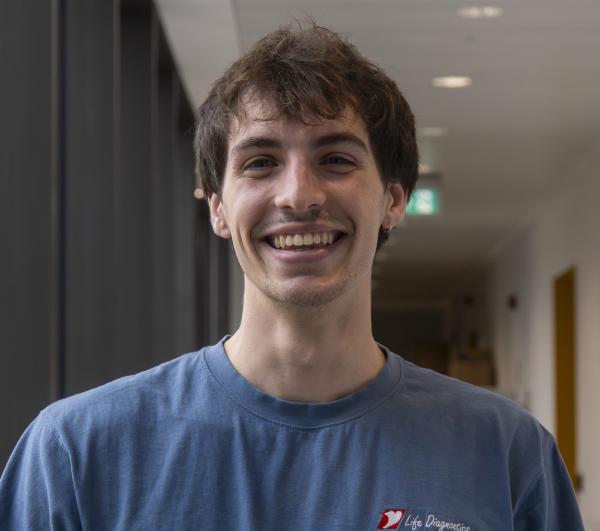
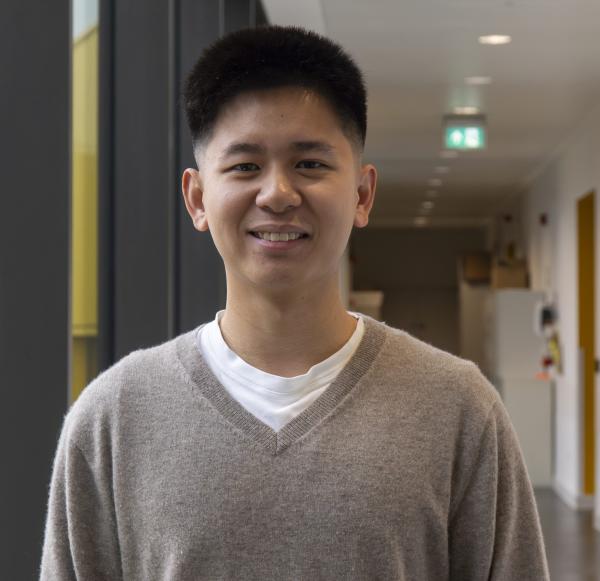
Portrait of a man standing in a laboratory corridor.

Drew received his BSc from Michigan State University (MSU) in Biochemistry and Molecular Biology. Where he studied the origin of life chemistry with Dr Robert Root-Bernstein, he thereafter moved into biophysical research with Dr Matthew Comstock, studying electronic bacteria and optical tweezers.

Throughout this time, he also collaborated with Adam Brown, a bio-artist, who helped create [Ir]reverent: Miracles on Demand. In his spare time, he enjoys art, climbing, and running. He completed his PhD in 2024 under the joint supervision of Ljiljana and Daniel Muñoz Espin. He is a co-founder of Senesys Bio.

Dr Alex Evtushenko

Alex completed his MEng degree at the Department of Chemical Engineering and Biotechnology and his PhD in 2026.  He is working on remodelling the pancreatic tumour microenvironment using protein nanocarriers.

In his free time, he enjoys hiking and playing guitar.

Dr Natasha Murphy

Natasha is working alongside Jenny Molloy and Fruk group on design of enzymes to facilitate CO2 upcyling, a project funded by EPSRC Prosperity Partnership with Hitachi Cambridge. 

PhD students

Abbie Alexandrova

Abbie is a PhD student on the EPSRC Sensor CDT Programme supervised by Helena Knowles (Cavendish Laboratory) and Ljiljana. She holds an MSci degree in Mathematics and Physics from Durham University and an MRes in Sensor Technologies and Applications from the University of Cambridge.

Her PhD research is focused on functionalisation of nanodiamonds to be used as intracellular quantum sensors. Outside of the lab, Abbie enjoys dancing and teaching ballet as part of the Cambridge University Ballet Club.

Oriol Colomer-Ferrer
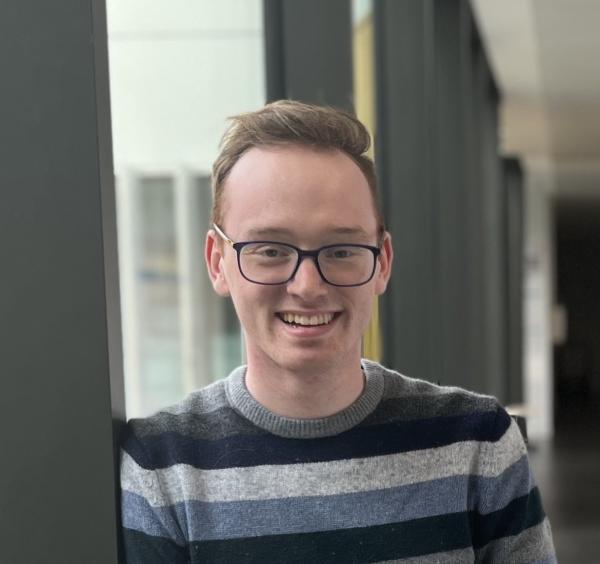
Portrait of a man standing in a laboratory corridor.

Oriol is a PhD student in the University of Cambridge Sensor CDT program. He is a Hitachi-funded student working on the development of bioinspired nanozymes, in particulary flavin-hybrids. He holds a BSc degree in Nanoscience and Nanotechnology from the Autonomous University of Barcelona (UAB) and an MSc in Biomedicine from the University of Barcelona (UB).

Oriol enjoys inspiring walks under the trees, a good song when it rains, and board game nights with friends.

Alexander Corbett

Alexander comes to us from the University of Toronto, where he did his MSc in Chemistry, working on stimuli-induced antibiotic delivery hydrogels. He previously studied at The University of British Columbia, where his BSc work in Biochemistry and Molecular Biology involved trying to isolate and characterise exosomes with super-resolution microscopy.

He has joined the BioNano Engineering group to indulge his creativity and do cool things with DNA. Outside of the lab, Alexander enjoys Orienteering, lamenting over the lack of snow in Cambridge, making a colossal – albeit temporary – mess of his kitchen, and cinnamon buns (which we all sometimes get to taste!).

Dina Haddad
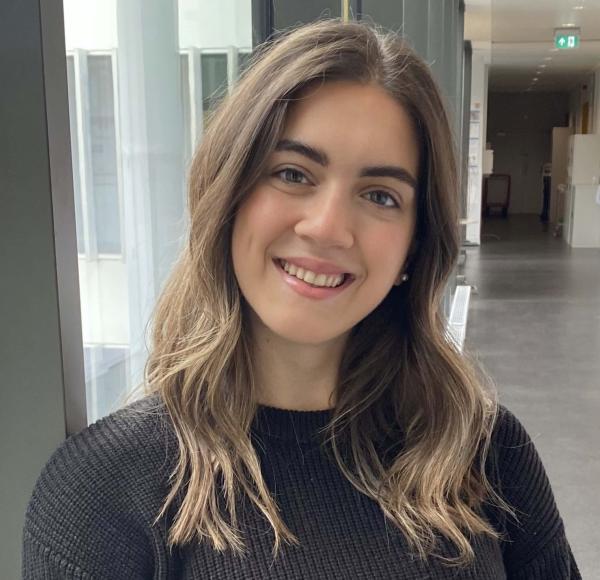
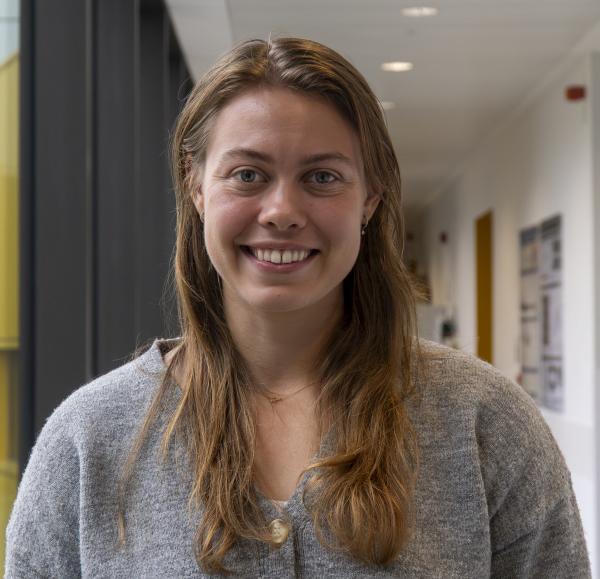
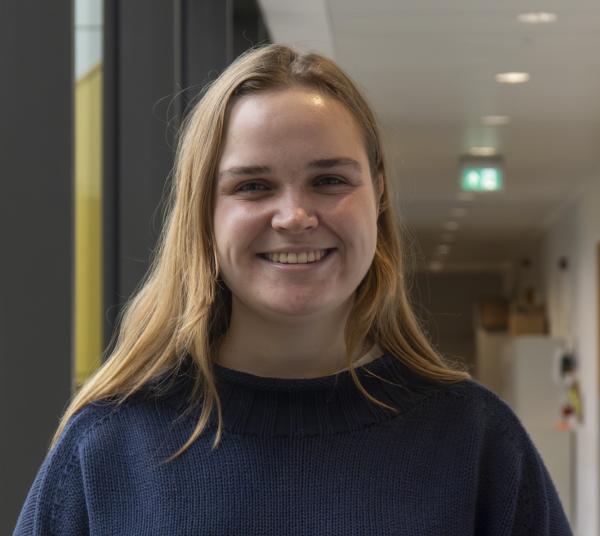
Portrait of a woman in a laboratory corridor

Dina received her BEng in chemical engineering from the University of Nottingham, during which she completed an industrial year in environmental consultancy. She entered the world of nanotechnology during her MPhil, at the University of Cambridge, where she worked on the synthesis of magnetic nanoparticles for medical applications.

She is now a PhD student, co-supervised by Dr Ljiljana Fruk (CEB) and Dr Richard Mair (CRUK Cambridge institute), working on the development of nanocomposite materials for the extraction of cell free DNA from urine for subsequent analysis. Outside of the lab, you will find Dina playing any piano she spots. She is also the captain of the university pole sports team.

Pui Ting Ho (Adrian)

Adrian studied MEng Material Science and Engineering with Biomaterials at the University of Manchester, where he discovered his love of bionanomaterials. He then joined the NanoDTC here at Cambridge and graduated with an MRes in Nanoscience and Nanotechnology.

Supervised by  Ljiljana and Prof Laura Itzhaki (Department of Pharmacology), he is now working alongside Dr Andrew Baker on creating protein-degrading nanoparticles as a new senolytic for chemotherapy-induced senescence in cancer. When he is not working in the lab, he spends most of his free time playing guitar and developing his photography skills. He is also a First Aider with St John Ambulance who provides first aid cover during crowd events, specialising in inebriation care.

John McGinty

John is a BBSRC DTP PhD student from Philadelphia, working in collaboration with the Cambridge Early Cancer Institute and AstraZeneca. His research centres on the design of senolytic antibody-drug conjugates (ADCs) for the targeted treatment of respiratory diseases. John holds a BSc in Biochemistry from the University of Leeds, where he received the Royal Society of Biology’s Top Student Award.

His previous experience includes research on diagnostic immunoassays, next-generation RNA therapeutics, and antibody mimetics for imaging applications. Outside the lab, John enjoys running and serves as the Social Officer for the Department of Chemical Engineering and Biotechnology (CEB) Graduate Society.

Robert Petrie
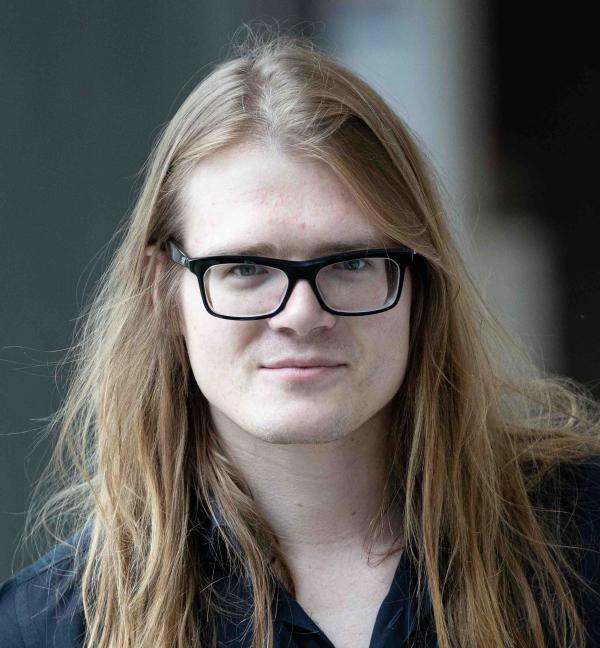
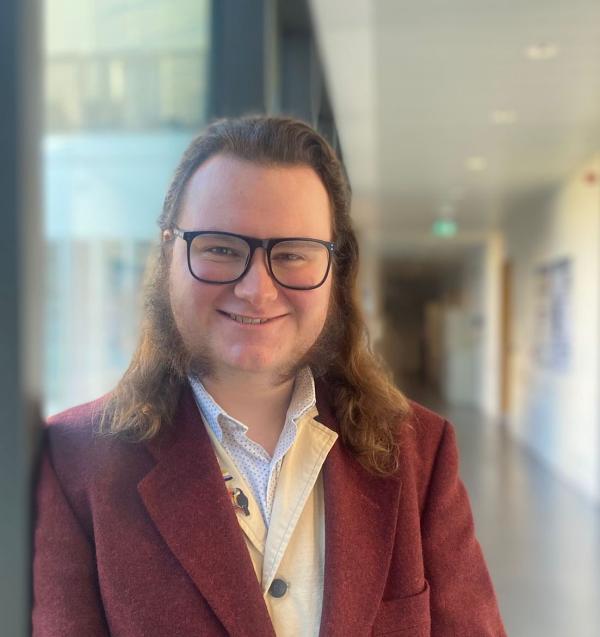
Portrait of a long-haired man in a laboratory corridor.

Robert is a Sensor CDT student jointly superviser by Oscar Branson (Earth Sciences), Tijmen Euser (Physcis) and Ljiljana.

He has a First Class BEng degree from the University of Surrey. Whilst a student there, he was elected President of the Electronics and Amateur Radio Society for two terms (2019/20 & 2021/22), which involved running various projects and courses relating to electronics and software.

He is working to develop optical fibre-based sensors to monitor coral reef health. 

Chung Yin Tsang (Justin)
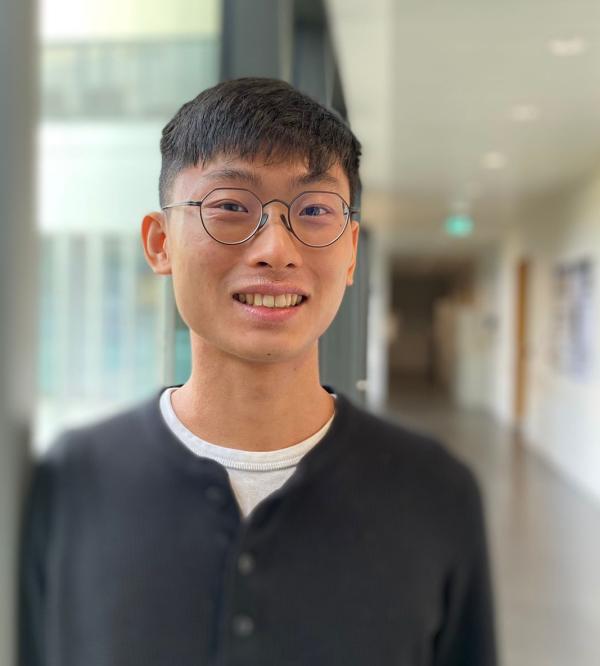
Portrait of a man standing in a laboratory corridor.

Justin is a PhD student at National University of Singapore (NUS) visiting Fruk lab for his final year. He completed BSc in Biomedical Engineering from The Chinese University of Hong Kong in 2022, winning S. H. Ho College Eminent Award and CUHK Biomedical Engineering Outstanding Award. He is working on ultrasound responsive nanohydrogels and drug carriers.

Cheng Wei (Ben)
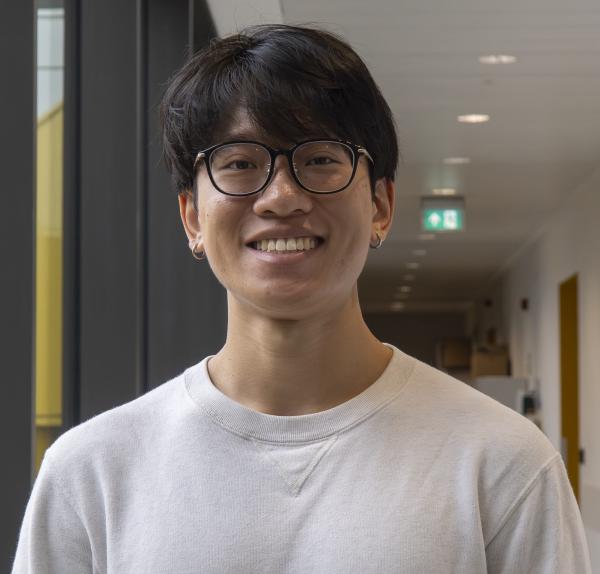
Portrait of a man in a laboratory corridor

Cheng has a BSE in Biomedical Engineering from Case Western Reserve University and an MPhil in Genetics from the University of Cambridge. During his undergraduate studies,  Cheng was a part-time researcher for two and a half years, working on nanoparticle-aided gene therapy for macular degeneration. Cheng’s MPhil project involved a mutagenesis screen on mutations causing abnormal endoplasmic reticulum morphology.

Cheng plays tennis in his spare time and enjoys skiing.

Nicole Wojtania
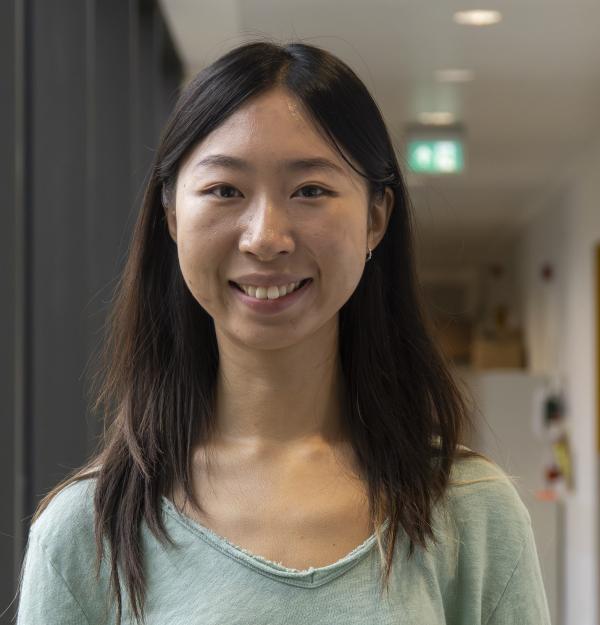
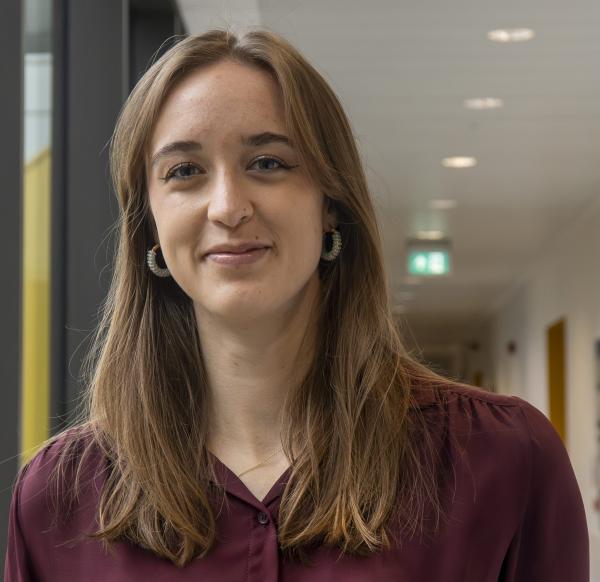
Portrait of a woman in a laboratory corridor

Nicky completed an MPhil in the Biotechnology program at the Department of Chemical Engineering and Biotechnology after completing the bioengineering studies at Harvard University. She worked as a consultant at Boston Consulting before joining the Fruk group in 2025 to work on the design of protein nanodegraders. 

Chitra Yadav
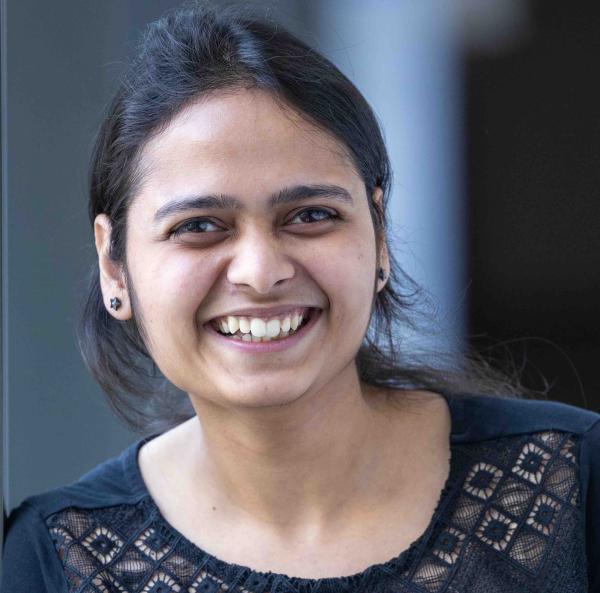
Portrait of a woman in a laboratory corridor.

Chitra holds a Bachelor’s degree in Biotechnology from Dr APJ Abdul Kalam Technical University and a Master’s degree in Radiation Oncology from the University of Oxford. She worked with Beydest Pvt. Ltd. on the efficiency of Sphagnum in the reduction of suspended particulate matter which was further used in technologies to tackle the AQI.

She also worked as a Research Assistant at the University of Oxford, where she studied the role of transcription factors in DNA damage and repair pathways in various cancer cell lines. Her PhD research involves the development of tissue-specific nanocarriers, a project funded by AstraZeneca.

Master's students

Candi Ding
Portrait of a woman in a laboratory corridor

Candi is an MPhil in Biotechnology student, and works alongside PhD students John McGinty and Alex Evtushenko on the development of strategies to target Nav-channels. This project is a collaboration with Tony Jackson’s group from the Department of Biochemistry. 

Sophie Dobber
Portrait of a woman in a laboratory corridor

Sophie is an MPhil in Biotechnology student working alongside Ben Wei to understand and remove polyploid giant cancer cells believed to be stem cells of cancer.

Charlotte Whitney

Charlotte is an MPhil in Biotechnology student working on the development of the NanoJAGG platform, organic nanocarriers for the targeted delivery of drugs to senescent cells. 

Alumni

Former members
  • Michelle Arnet
  • Sophia Belser
  • Andrea Bistrović Popov
  • Annalena Bock
  • Charlotte Cameron-Hamilton
  • Cheng Chen
  • Leander Crocker
  • Anna Edinger
  • Matthew Ellis
  • Will Etheridge
  • Luise Fanslau
  • Christoph Franck
  • Alexandra Fux
  • Bianca Geiseler
  • Cristina González López
  • Olatz Guaresti
  • Clementine Guillemet
  • Muhamad Hartono
  • Lazina Ibnat-Zaman
  • Sunniya Iftikhar
  • Sana Iqpal
  • Dania Kendziora
  • Antonina Kerbs
  • Lucie Lefevre
  • Swetha Lingamgunta
  • Beatriz Lozano Torres
  • Theresa Meier
  • Anna Melekhova
  • Dr Chen Meng
  • Roger Mora de la Serna
  • Sam Nehme
  • Badri Parshad
  • Suraj Pavagada
  • Andre Petershans
  • Ahmed Qureshi
  • Dr Andrés Garcia Sampedro
  • Bill Stockham
  • Lukas Stolzer
  • Sitan Zheng

Bionano Engineering group

  • Home
  • Research
  • People
  • Publications
  • Creative Hub

Department of Chemical Engineering and Biotechnology

University of Cambridge
Phillippa Fawcett Drive
Cambridge
CB3 0AS

communications@ceb.cam.ac.uk

  • Undergraduate study
  • Postgraduate study
  • Fellowships and opportunities
  • Work with us
  • Outreach and work with schools
  • Support the department

© 2026 University of Cambridge

  • Cookies
  • Privacy policy
  • Accessibility statement
  • Freedom of information
  • Modern slavery statement
  • Terms and conditions

Powered by
►
Necessary cookies enable essential site features like secure log-ins and consent preference adjustments. They do not store personal data.
None
►
Functional cookies support features like content sharing on social media, collecting feedback, and enabling third-party tools.
None
►
Analytical cookies track visitor interactions, providing insights on metrics like visitor count, bounce rate, and traffic sources.
None
►
Advertisement cookies deliver personalized ads based on your previous visits and analyze the effectiveness of ad campaigns.
None
►
Unclassified cookies are cookies that we are in the process of classifying, together with the providers of individual cookies.
None
Powered by