
 Driven by curiosity. Driving change
New research leader Dr Akshay Deshmukh joins CEB
Growing up under the Heathrow flight path meant seeing large, complex engineering systems at work everyday.
Dr Akshay Deshmukh will be joining the Department of Chemical Engineering and Biotechnology (CEB) as its newest research group leader, returning to the department where he gained his undergraduate degree. His research will bring the interest sparked by this early experience to sustainable extraction of the critical metals needed for low-carbon energy and transport.
Previously based in MIT as a research scientist, Akshay will join CEB this month.
He will work with Professor Axel Zeitler’s Terahertz Applications research group, while he establishes his own group. He will be funded by a UKRI Future Leadership Fellowship, announced in September 2025, as well as a Royal Academy of Engineering Green Future Fellowship, announced in December 2025.
Akshay’s interest in chemical engineering was shaped early on, and further encouraged by an elder sister already working in carbon capture.
He first came to the department, pre-merger with the Institute of Biotechnology, as an undergraduate in 2009. He went on to complete a Master’s with Dr Graham Christie before a PhD at Yale on desalination followed.
He spent three months in 2016 at the UK Parliamentary Office for Science and Technology on an Ashok Kumar Fellowship, and has been at MIT since 2019.
“My PhD was about desalination, and trying to find solutions to the fact that 50% of the world lives with water scarcity,” he said. “I was focused on making desalination plants more efficient. At my core, I am a separation scientist. From the nylon that you wear to the water that you drink, everything needs separating and I want to make that as efficient, as sustainable as they can be.”
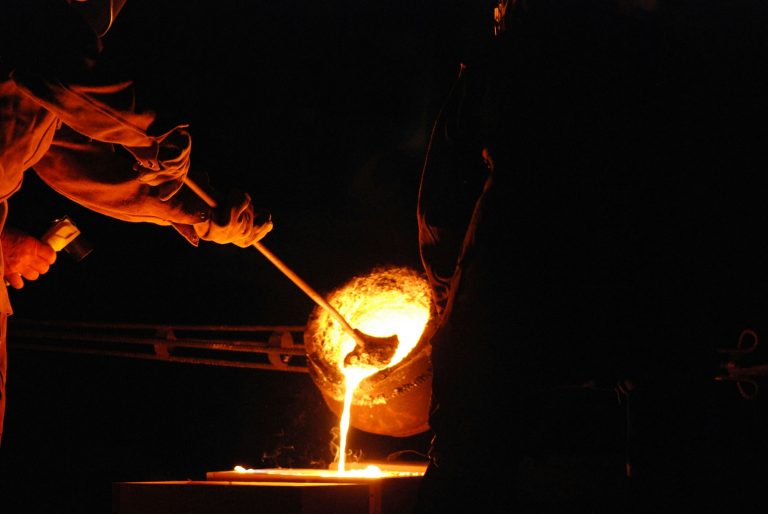
His research group will focus on sustainable metal extraction techniques, leading the development of new materials and processes to recover critical metals from complex mixtures, including brines and recycling leachates, using membranes. The work aims to reduce reliance on today’s energy, water and chemically intensive methods.
“I am so excited about the future, and on working to research such an important area in sustainability. I am looking forward to building the technical expertise in this area,” he says. “It will be the first time I’ll move into the PI [Principal Investigator] area and I will be working to develop a method for extraction of metals such as lithium in a less pollution heavy way.”
He is keen to connect science with policy and wider impact, noting that reaching net-zero greenhouse gas emissions by 2050 will require a significant increase in the supply of critical metals.
“I am also excited about coming back to the UK and looking into contributing expertise to the government/policy space, to follow up on what I learned during my Ashok Kumar Fellowship,” he added. “It’s about being invited in to the conversations and making the impact a lot wider with your research.”
Despite the nerves of stepping up to lead a group, gratitude shines through. “It’s anxious to be stepping up to the PI level, but also incredibly exciting to be coming back to CEB where I know the expertise and resources exist,” he said.
“The mentors and help from CEB along the way has been invaluable so far, I am just really grateful. And keen to get started.”