
 Driven by curiosity. Driving change
MPhil in Biotechnology
Bringing together world-leading academics and industry champions to deliver state-of-the-art education at the interface of biology with the physical sciences and technology
About the programme
Interdisciplinary training for the biotech sector and beyond
Some of the most important frontiers of biology are at the interface with the physical sciences and technology.
Our MPhil in Biotechnology programme aims to respond to major talent needs in academia and industry by teaching students who have strong analytical skills how to apply them in biotechnology and allied sectors. The programme is particularly suited to those with a degree in engineering, physics, chemistry, maths or computer sciences, but it is also open to candidates with other backgrounds wanting to combine numerical and biological reasoning.
This is an 11-month full-time programme, running from October to August, which combines taught and research elements and delivers a very interdisciplinary curriculum.
World-renowned interdisciplinary expertise
The programme draws on the world-class research and teaching expertise in biotechnology-related areas at the University of Cambridge. It is primarily based at the Department of Chemical Engineering and Biotechnology (CEB) but is tightly coupled to other departments within the University, including Engineering, Physics, Applied Mathematics and Theoretical Physics, Chemistry, Materials Sciences and Metallurgy, Plant Sciences, Pharmacology, Biochemistry, and Genetics, which contribute to teaching and/or host research projects in the respective areas of expertise. The programme also relies on close links with industry champions.
The MPhil in Biotechnology provides all-round training covering four key areas:
- Core and advanced knowledge
- Practical skills (wet laboratory and computer based)
- Research skills
- Business-relevant knowledge and skills
In addition to theoretical knowledge, we ensure that our students acquire the necessary practical skills in biotechnology both for wet-laboratory and computer-based work. Throughout the programme, we place significant emphasis on the development of research skills, including critical thinking, documenting and reporting, academic writing and communication, and research management. The fast-paced, demanding and competitive environment in which biotechnology research and commercialisation takes place calls for business-savvy scientists, be it in academia or industry. Our programme also offers a range of opportunities for students to acquire business-relevant knowledge and skills.
Overall, our goal is to produce graduates with fundamental and advanced understanding of biotechnology that have the necessary skillset and business acumen to become future leaders in biotechnology either in academic or industrial settings.
Industry links
While the academic environment at the University of Cambridge provides an invaluable and incomparable learning experience to our students, we also ensure that the training we provide is strongly connected to industry.
Our students have plenty of opportunities to benefit from input from industry experts in order to understand the biotech industry landscape and boost their professional networks.
We are proud to be supported by a diverse group of industry champions as well as the Milner Therapeutics Institute, whose goal is to coordinate companies and academic, pharmaceutical and biotechnology partners in a global therapeutic alliance.
Our industry champions are part of our Strategic Committee, playing a role in the direction of the programme. Their input is useful to ensure that the training we provide not only is academically sound, but is also aligned with workforce needs, current practices and developments in industry. Furthermore, our industry champions, as well as number of local biotech companies, contribute to teaching by delivering lectures and seminars on specific topics as well as hosting and supervising research projects (individual and team projects).

Programme content
The four key learning areas of the programme are explored through six complementary elements with taught, practical and research formats.
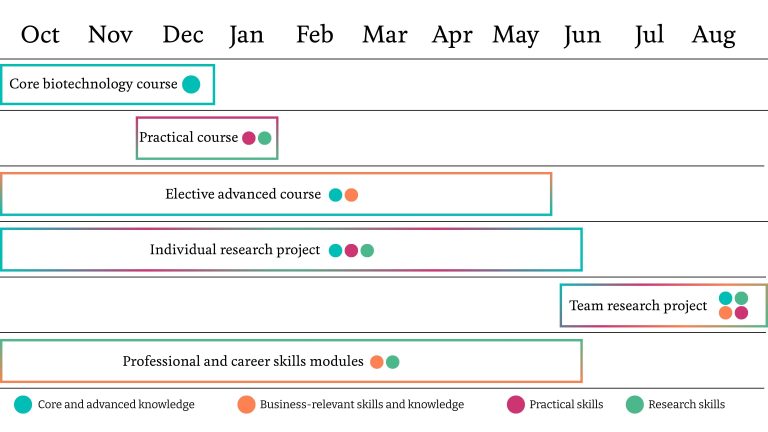
Core biotechnology course
At the start of the programme, students take a compulsory taught course on principles of biotechnology. This is a broad-spectrum course that progresses from the fundamentals of molecular and cell biology to more advanced topics on synthetic biology, transgenic animals, plant biotechnology, biological warfare, forensic molecular biology and environmental biotechnology.
The aim of this course is to equip students with the biological language and reasoning necessary for them to effectively apply their analytical skillset in biology-related areas.
Practical course
The practical module complements the core lecture course in giving students a strong foundation in modern biotechnology. Over approximately 50 hours, students learn essential and state-of-the-art techniques in biology research, developing practical skills through both taught and hands-on elements.
The course involves both computer-based sessions, covering DNA design and analysis software, and wet-lab sessions, where students have the opportunity to execute a range of molecular and cellular biology protocols as well as attend demonstrations on specific tools.
Examples of techniques covered in the practical course include:
- molecular cloning
- CRISPR-Cas9
- bacterial transformation
- DNA sequencing and analysis
- recombinant protein expression and purification
- cell culture
- mammalian cell transfection
- and fluorescent lifetime imaging microscopy
Elective advanced courses
The programme offers students the possibility of tailoring their studies to their educational needs and career goals. In addition to the foundational biotechnology modules, students take six elective courses, which they can choose from a list of subjects taught at CEB and at other departments across the University. These courses allow students to acquire advanced knowledge and skills in specific fields close to their interests.
Students can select their advanced courses along three axes – analysis, application and business – with the following options being normally available:
Analysis-oriented courses
Mathematical biology of the cell (Department of Engineering)
The course covers topics in stochastic processes and statistical mechanics with application in biology. It introduces the students to sub-cellular processes and the role of thermal fluctuations, addresses the shift from the classical biology approach to a more physical description of the relevant processes, and illustrates the use of mathematical/computing approaches to study regulatory networks and biomolecular dynamics.
Control and computation in living systems (Department of Engineering)
Living systems, including single cells, nervous systems and animal/human populations, are increasingly well understood in terms of the computations they perform and the control principles they embody. This has enabled a paradigm shift in bioengineering, allowing to pick apart and understand how living systems function and, crucially, manipulate and exploit these functions in a principled way. This course introduces students to current research in this field and provides tools and examples for analysing, modelling and designing biological and biologically-inspired systems.
Computational neuroscience (Department of Engineering)
This course covers basic topics in computational neuroscience and demonstrates how mathematical analysis and ideas from dynamical systems, machine learning, optimal control and probabilistic inference can be applied to gain insight into the workings of biological nervous systems. The course also highlights a number of real-world computational problems that need to be tackled by any ‘intelligent’ system as well as the solutions that biology offers to some of these problems.
Materials and molecules: modelling, simulation and machine learning (Department of Engineering)
This course introduces the concept of computer simulation of material and molecular properties on the atomic scale, teaching basic techniques of molecular dynamics and data analysis and providing hands-on experience with commonly used software packages. The students are first guided through fundamental modelling concepts, ranging from quantum mechanics and statistical mechanics to the practicalities of numerical simulation, multiple length and time scales and error control. Then, they learn about specific models for materials and molecules that facilitate calculation of basic properties of matter, allowing both a deeper understanding of experimental observations and first principles prediction of new phenomena. The final section of the course addresses machine learning and how it allows breaking previously established limitations of numerical approaches, both for direct first principles dynamical simulations and using statistical ‘data mining’ methods.
Optical microscopy (CEB)
This course focuses on the fundamental principles of optical microscopy, covering image formation, the physical concepts that affect image resolution and contrast, and quantitative image data analysis in the presence of noise. Modern microscopy technologies that are used in research and industry are described, and students learn about the process of conceptually designing advanced instrumentation that meets the requirements of a given application.
AI and ML for data pipelines (Department of Chemical Engineering and Biotechnology)
This course introduces practical artificial intelligence and machine learning methods for analysing complex scientific, engineering and sensor-derived data. It is organised around the complete data pipeline: defining the decision, shaping and sense-checking data, learning models, evaluating performance, quantifying uncertainty, and deciding when a model is fit for use.
Application-oriented courses
Bionanotechnology (CEB)
This course explores bionanotechnology, an interdisciplinary field at the interface of nanotechnology and bioscience, and looks into bionano hybrid design and applications. In the course, the students learn about the fundamental principles of nanoengineering, including nanomaterial preparation, assembly and characterisation, get an overview of the scales of biomolecular systems, and explore strategies to join biointerfaces with engineered components. DNA nanotechnology, bioinspired catalysts, biosensors and nanomedicine are embedded throughout the course to give an overview of the potential, advantages and challenges that need to be overcome in bionanotechnology.
Bioelectronics (Department of Engineering)
This course provides an introduction to the field of bioelectronics, linking science and engineering concepts to the principles, technologies and applications of bioelectronic devices in the medical and consumer sectors.
Medical physics (Department of Physics)
This course gives an overview of the use of physics in medicine. Particular attention is given to medical imaging, and contrast mechanisms, data acquisition hardware and the general principles of image reconstruction are covered for a range of clinically applicable techniques. Clinical applications of physics, including in diagnosis, patient monitoring and treatment of diseases, are also described.
Biomedical engineering (Department of Engineering)
This course provides a comprehensive overview of biomedical engineering, outlining the key principles of good engineering design in a biomedical context, introducing students to the concept of system design approach for sustainable improvement, and discussing the general technology adoption pathway in healthcare.
Pharmaceutical engineering (CEB)
This course aims to give students an understanding of the fundamentals of pharmaceutical engineering. It introduces the subject and builds on established concepts from general chemical engineering to highlight specific applications and requirements of this industrial sector. The students learn about the design of solid dosage forms and modified released technologies and explore current trends in pharmaceutical processing.
Healthcare biotechnology (CEB)
This course aims to lay a foundation in the prevalence, pathologies, diagnosis and treatment of the major diseases afflicting humans in the 21st century. The course covers the challenges encountered in drug discovery and development, drug delivery, regulation and the newer approaches involving gene, protein, cell-based and bionic therapies. Key developments for the future, including AI, stratified and personalised medicine, and digital health applications, are also discussed.
Biomaterials (Department of Material Sciences and Metallurgy)
This course starts by addressing the relationship between structure and properties in soft natural materials, including proteins, polysaccharides, and composites of proteins and polysaccharides. Then, it explores the issues involved in the design of a material to replace a failed natural material in a medical context. Emphasis is put on soft tissue replacement, including spinal disc replacement, vascular grafts, skin grafts and tissue engineering scaffolds. Drug delivery systems, particularly those for controlled delivery, are also covered in the course.
Brain machine interface (Department of Engineering)
This course gives a hands-on introduction to a key set of information engineering tools in the context of brain machine interfaces (BMI), an exciting and fast developing bioengineering technology. Following introductory lectures covering an overview of relevant neural circuits and recording and stimulation technology used in BMI, the bulk of the course will cover various modelling, data analysis, and decoding techniques in the context of motor-oriented BMI and motor cortex.
Business-oriented courses
Strategic management (Department of Engineering; Judge Business School)
This course provides students with an opportunity to discuss the strategic challenges faced by managers in today’s business environment and to develop a facility for critical strategic thinking. Students become familiar with key strategic analysis models, understanding their application and limitations, and explore some of the current hot topics in strategic management.
International business (Department of Engineering; Judge Business School)
This course aims to provide future managers with an enhanced understanding of international business by covering globalisation, socio-cultural and political variation in business environments, and international business strategy. The course moves beyond the analysis of market opportunities and industry competitiveness by paying extensive attention to the social, political and cultural differences that businesses need to consider when their activities cross borders. An appreciation of this broader ‘institutional’ environment is essential for managers in order to accurately identify international opportunities and threats.
Management of technology (Department of Engineering; Institute for Manufacturing)
This course addresses the ways in which technology is brought to market by focusing on key technology management topics from the standpoint of an established business as well as new entrepreneurial ventures. Emphasis is placed on frameworks and methods that are both theoretically sound and practically useful. Through the course, students will not only understand the core challenges of technology management, but also acquire practical means of dealing with them.
Innovation and strategic management of intellectual property (Department of Engineering; Institute for Manufacturing)
This course builds on the state of the art in strategic IP management thinking for maximising appropriation value from technological innovations. While the course emphasises a management perspective on intellectual property, it also includes concepts from engineering, law and economics.
* Please note that the courses on offer may change slightly from year to year, subject to, for example, student numbers and academic staff availability.
Individual research project
The MPhil in Biotechnology is a taught programme with a strong research component, which includes an individual research project and a team research project.
From the start of the programme until early summer, students undertake an individual research project, which allows them to extend their specialised knowledge by exploring a topic of their choice, develop practical skills in wet-lab and/or computer-based environments, and acquire a range of technical and transferable skills that will set them up for independent research.
Depending on the student’s specific interests, the individual research project may be based at CEB, other participating University departments and/or a site of one of our industry partners. All projects have a supervisor who is an academic at the University of Cambridge. Co-supervisors, from academia or industry, may also be involved.
This element of the programme requires students to plan and execute their own work, and analyse, interpret and critically discuss their results, which are submitted in the form of a final report. Normally, students also write a review paper and deliver oral and poster communications as part of the individual research project.
Candidates are not required to identify their topic of research at the time of application for the MPhil in Biotechnology.
Each year, students are provided with a list of projects to choose from. The list of projects is put together in the summer before the start of the programme and includes titles proposed by academics from departments across the University as well as our industry champions. If candidates have specific research interests, we are happy to discuss those during the admission process.
Individual research project titles in previous years have included:
- Probing the intracellular environment of cold-adapted species: how alpha synuclein aggregates in Antarctic fish (British Antarctic Survey and CEB)
- Next-generation medical imaging employing gold-modified protein nanoparticles (CEB)
- Brain age prediction on mechanical brain properties (CEB)
- Top down, bottom up: low-cost engineering to measure pathogen infected plants (Department of Plant Sciences)
- Developing a computational framework to discover new probiotic strains within the human gut microbiome (Department of Veterinary Medicine)
- Process optimisation for the industrial production of a recombinant protein in bacteria (STEMCELL Technologies and CEB)
- Boost and ease-off: exploring the safety and efficacy of these features in the CamAPS FX Hybrid Closed-Loop System (Institute of Metabolic Science)
- Biomimetic coated metal-organic frameworks (MOFs) for advanced delivery of chemotherapeutics in hard-to-treat cancers (CEB)
- Microfluidic device for the study of malaria infections (Department of Physics)
- Studies on the spore germinant receptor (CEB)
- Efficient design of high throughput screens using machine learning (AstraZeneca and Department of Pure Mathematics and Mathematical Statistics)
- Enzymatic organic biosensor for the detection of biomarkers relevant to Alzheimer’s disease (CEB)
- Lab-on-chip sensor for electrochemical biosensing of bone health (CEB)
- Enhancing a locally manufacturable CRISPR-Cas12a based assay for typhoid fever diagnostics (CEB)
- Transcriptional response to amyloidogenic proteins in mammalian cells (MRC Toxicology Unit)
- DNA origami nanostructures for the targeted destruction of bacteria (CEB)
- Kinetic modeling of Chinese hamster ovary metabolism (GSK and CEB)
- Visualising tumour vascular microenvironment (Cancer Research UK Cambridge Institute and Department of Physics)
- 3D-printed microfluidic structures towards exosome-based point-of-care diagnostics (Mursla and Department of Physics)
- Novel approaches to increase high-value compounds in microalgae (Department of Plant Sciences)
- Drugging the undruggable: combining large scale omics data with machine learning techniques to identify novel E3 ligases for PROTAC drug discovery (Milner Therapeutics Institute)
- Measuring action potentials with nanopipettes in photoactivated neurons (CEB)
- Classification of plant diseases through combination of image analysis and environmental data (NIAB and CEB)
- How do bacteria age? Studying senescence and death in microbes (Department of Engineering)
- Developing a toolbox for probing protein homeostasis in naked mole-rats (Department of Pharmacology)
- Influence of calcification and heparin coating on polymeric prosthetic heart valves (CEB)
- Design of robust multivariate predictive models for process analytics in the biopharmaceutical industry (GSK and CEB)
- Scaling the production of pluripotent stem cell-derived skin organoids (STEMCELL Technologies and CEB)
- Exploring the multivalent nature of CTPR proteins to study liquid-liquid phase separation (Department of Pharmacology)
- Nanodiamond probes for characterisation of P-granules (Department of Physics and CEB)
- Using computational biology to identify novel therapeutic targets for ion channels-related disease (LifeArc and Milner Therapeutics Institute)
- Engineering of imine reductases to elucidate sequence-structure-function relationships (Johnson Matthey and CEB)
Team research project
Over the summer, the whole class works collectively in the team research project, which is a distinctive feature of the MPhil in Biotechnology. Often, the team research challenge is organised in collaboration with one of our industry partners; sometimes we set it in an applied context of sustainable development, working with NGOs. Students plan and deliver the project together, supported by an academic supervisor and experts from industry and/or other external organisations. Strong emphasis is put on team-driven and peer-to-peer learning. The class is required to manage and effectively capitalise on the individual technical and management strengths of each student to complete the challenge.
In this element of the programme, students have the chance to further develop technical and practical competences in biotechnology as well as transferable skills. The team research project is also key to the acquisition of business-relevant knowledge as students work on a problem that is motivated by the needs of a contributor from industry or other external organisation. Students rely on leadership competences, effective project management, multilingualism to understand a range of different stakeholders, and commercial awareness to successfully complete the exercise.
The team research project culminates in the delivery of a report and an oral presentation to the project sponsor.
Titles of the team projects completed by previous cohorts:
2024-2025: 'Biomanufacturing in a box' to democratise access to biotechnology research worldwide
The cohort designed and prototyped a plug-and-play toolkit containing key equipment, reagents and specialist consumables for molecular biology protocols that can be easily and inexpensively shipped anywhere in the world. The team also developed a business model to maximise the toolkit’s impact on global biotechnology research, education and innovation.
2023-2024: Using novel digital technologies and solutions for more efficient and patient-centric oncology clinical trials
More efficient and patient-centric clinical research is pivotal to advancements in oncology and value-based improvements in healthcare. The cohort worked with AstraZeneca and its subsidiary Evinova to develop a digital health strategy for lung cancer clinical trials, and to design a monitoring system for cytokine storm, an acute systemic inflammatory syndrome that is associated with certain cancer treatments.
2022-2023: Applying open source machine learning, automation and DNA toolkits to accelerate low-cost, high-quality enzyme biomanufacturing
The aim of the project was to develop tools to accelerate biotech research and applications in low-resource contexts along with the creation of educational resources for capacity building.
2021-2022: Design of devices for procurement and preservation of organs for transplantation
The cohort worked in collaboration with the Royal Papworth Hospital, which is one of the world’s leading cardiothoracic hospitals and the UK’s main heart and lung transplant centre. In addition to the technical development of new systems, the students produced a whitepaper on ethical considerations around heart transplantation and assessed the commercial viability of one of the new products they worked on.
2020-2021: Circular design of a CRISPR toolkit for the UN's Sustainable Development Goals (SDGs)
The cohort designed a manufacturing toolkit for CRISPR-based biosensors for improved access and capacity building in low-resources contexts. Additionally, the students worked with end-user researchers and educators from Kenya, Ghana, Cameroon and Ethiopia to produce educational materials for HE providers and governmental research institutions in these countries.
2019-2020: A systems biology approach to investigate the role of cholesterol in neurodegenerative diseases
The cohort produced a business plan for a software start-up in addition to tackling the scientific challenge.
2018-2019: Predictive development of complex biopharmaceuticals
The cohort spent the summer at MedImmune/AstraZeneca.
Professional and career skills module
In addition to providing strong scientific and technical training in biotechnology, the programme intends to help students to develop competences and a mindset that ensure a smooth transition from university education to the workplace. Transferable and business skills training is central to various elements of the programme and further promoted by a dedicated module running throughout the year.
This module covers professional skills all the way from the lab bench to the market. At the start of the module, emphasis is put on research skills in areas such as research management, academic writing and presentations, and the publishing process. Then, students are guided through the journey of turning lab research into marketable products and have the opportunity to hear about a range of aspects relevant to the development of new biotech products (e.g. intellectual property, regulatory affairs, biotech governance and bioethics). The module also includes sessions on careers, addressing careers advice, entrepreneurship and biotech contributions to UN Sustainable Development Goals.
This module was created to complement the core, advanced and practical biotechnology knowledge that is acquired in the other elements of the programme, and it is tightly integrated with the programme’s research component, with some research skills sessions being specifically designed to support students with aspects of the individual and team projects.

Teaching and assessment
In line with the programme structure, teaching is delivered through a combination of formal lectures, practical classes, supervised research in one-to-one and group settings, and a range of other means supporting the development of practical and transferable skills (e.g. training workshops, seminars, formal and informal presentations).
The taught courses are assessed through a combination of some or all of the following: individual or group coursework, class participation, formal written examination, and individual or group presentations.
The programme’s research component is examined by appraisal of reports and oral presentations taking place during the MPhil in Biotechnology Symposium at the end of the programme.
In order to be awarded the MPhil degree, the students need to pass satisfactorily both the taught and research components of the programme.
Programme governance
In your journey with us, you will be accompanied by a wide group of academics, experts in a range of different areas, who will teach and supervise you – everyone will be very happy to share their experience and research with you and offer guidance as you prepare for a career in the biotech world. Scroll down to learn about our academics as well and our Strategic Committee, an important body that helps to shape the programme.
Programme management

Gabi is a lecturer in Molecular Biotechnology, the head of the Molecular Neuroscience Group, and co-director of the Cambridge Infinitus Research Centre. As the director of the MPhil in Biotechnology, she is devoted to providing the best training for future biotech leaders.
Gabi studied biology at the University of Fribourg in Switzerland and did her PhD in Medicine on neural transplantation in Parkinson’s disease at Lund University in Sweden.
She has since set-up a centre for the application of modern biophysical methods for the study of the molecular mechanisms causing neurodegenerative diseases. Gabi loves to ski with her family, is very European, enjoys art, neuroscience and theatre.
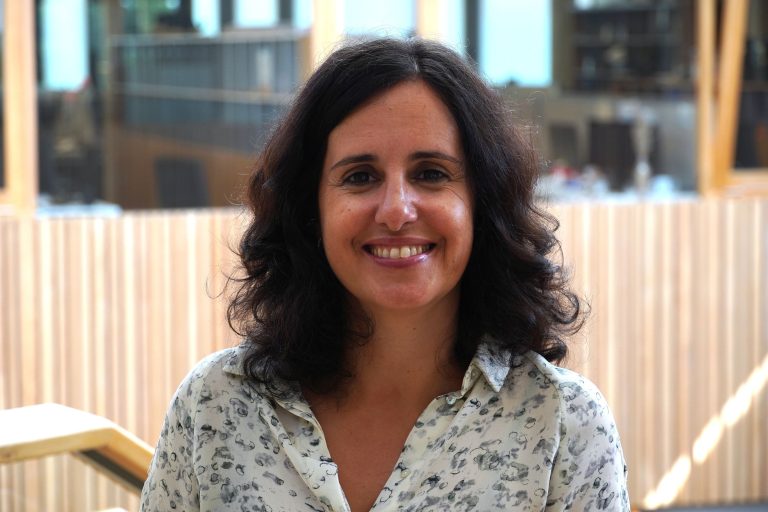
Raquel gained her PhD from the University of Cambridge working with Professor Geoff Moggridge in the Structured Materials group. She was then a researcher and a lecturer at the University of Coimbra before relocating to Cambridge in 2015.
In her research, Raquel merged her background in chemical engineering with biological and environmental sciences to focus on the problem of invasive biofouling bivalves.
She also has a longstanding interest in the interface between higher education and the labour market, and has been involved with the EFCE in efforts to develop chemical engineering education in the face of new employment challenges. Prior to joining the MPhil in Biotechnology, Raquel worked at the University’s Institute of Continuing Education as an analyst supporting the development of new programmes.
Teaching and project supervision
A wide variety of academics provide teaching and project supervision from across the university. Below are some of the academics currently working with the programme.
Department of Chemical Engineering and Biotechnology (CEB)
- Sebastian Ahnert
- Sabine Bahn
- Graham Christie
- Ljiljana Fruk
- Mick Mantle
- Geoff Moggridge
- Róisín Owens
- Shelly Singh-Gryzbon
- Sam Stranks
- Lorenzo Di Michele
Department of Engineering
- Somenath Bakshi
- Máté Lengyel
- Thierry Savin
- Timothy O’Leary
- Tom Bashford
- George Malliaras
Department of Pharmacology
- Laura Itzhaki
- Janet Kumita
- Ioanna Mela
Department of Physics
- Sarah Bohndiek
- Pietro Cicuta
Other departments
- Alexandre Almeida, Department of Veterinary Medicine
- Melody Clark, British Antarctic Survey (BAS)
- Jenny Molloy, Department of Biochemistry
- Namshik Han, Milner Therapeutics Institute
- Sebastian Eves-van den Akker, Department of Plant Sciences
Strategic committee
The Strategic Committee is a committee composed of academics and industry representatives with varied expertise and research interests contributes to the strategic management of the programme.
André Neves
Senior Scientist and Technical Lead in Process Development at STEMCELL Technologies UK. André is a Biochemical Engineering graduate (BEng+MEng, ULisboa) and Biochemistry postgraduate (PhD, Cantab) with 20+ years of experience, in industry and in academia, in recombinant protein expression, purification and characterisation, including manufacturing process improvement under cGMP.
Annette Alcasabas
Team Leader in Molecular Biology and Biotechnology at Johnson Matthey. Annette has a background in microbial genetics and is interested in technologies that improve commercial enzyme production, enzyme discovery and protein engineering.
Clemens Kaminski
Professor of Chemical Physics and Head of Department in CEB. Clemens’ group develops advanced photonic technologies for the study of molecular mechanisms of disease.
Gos Micklem
Professor of Computational and Molecular Biology at the Department of Genetics. His research work spans from developing open source community resources such as the data warehouse system InterMine to collaborative projects in a range of areas, including genome sequencing and annotation, functional genomics, synthetic biology and cancer research.
Graham Christie
Associate Professor and Leader of the Molecular Microbiology Group at CEB. As a microbiologist, Graham is particularly interested in bacterial spore germination processes, which his group investigates at the molecular level using a range of approaches, including genetic, biochemical, crystallographic and advanced imaging techniques.
Joanna Stasiak
Associate Teaching Professor and Director of Teaching at CEB. Joanna’s research interests lie in microstructured materials and structure-related properties, polymer processing, and supercritical fluids processes. The development of novel cardiovascular devices (e.g. polymeric heart valves and annuloplasty rings) has been one of her major areas of work for over a decade.
Jenny Molloy
Senior Research Associate in Cambridge and Group Leader at the International Centre for Genetic Engineering and Biotechnology (ICGEB). Jenny’s teams develop open source tools for biomanufacturing in the Global South. The aim of their research is to decentralise supply chains and accelerate innovation for health and sustainability through building technologies, communities and mission-focused enterprises. They partner with researchers in Africa, Latin America and beyond to cultivate an open and equitable global bioeconomy.
Luis Garcia-Gancedo
Head of Oncology Digital Health Strategy at Evinova, a healthtech business within AstraZeneca. Luis’ team enables more effective, efficient and patient-centric clinical trials by deploying digital solutions that address critical clinical challenges.
Kathryn Lilley
Professor of Cellular Dynamics at the Department of Biochemistry and Director of the Cambridge Centre for Proteomics. Kathryn’s research programme aims to create and apply technology to measure the dynamics of the proteome and transcriptome in high throughput in space and time during critical cellular processes. Her group has also contributed with many open source informatics tools to efficiently mine and visualise the complex data produced by spatiotemporal proteomics studies.
Ljiljana Fruk
Professor in BioNano Engineering at CEB. With a background in chemistry, biospectroscopy and nanotechnology, Ljiljana leads the BioNano Engineering Group, and she is interested in the use of bio and nanoelements to design materials for catalysis, drug delivery and tissue engineering.
Maria Orr
Head of Precision Medicine and Biosamples for Early Oncology in AstraZeneca. In this role, Maria is accountable for the delivery of patient selection and biosample activities in support of the Early Oncology portfolio. In her previous role as Head of Precision Medicine for Biopharmaceuticals in AstraZeneca, she led precision medicine activities for a diverse range of therapeutic areas including cardiovascular, renal, metabolism (CVRM), respiratory, inflammation, autoimmunity (RIA), microbial science and neuroscience.
Namshik Han
Group Leader and Head of Artificial Intelligence and Computational Biology and Artificial Intelligence at the Milner Therapeutics Institute, and Adjunct Professor at Yonsei University College of Medicine. He is also Faculty at the Cambridge Centre for AI in Medicine (CCAIM) and an Affiliated Principal Investigator of the Cambridge Stem Cell Institute (CSCI). Namshik leads an interdisciplinary research group developing AI-driven methods for drug discovery and translational medicine, with a focus on target identification, patient stratification and multi-omics integration. His lab bridges computational and experimental biology and is actively translated into therapeutic innovation through collaborations with global pharmaceutical companies, biotech startups and academic partners.
Róisín Owens
Professor and the Head of the Bioelectronic Systems Technology Group at CEB. Róisín’s research interests lie in the application of organic electronic materials for monitoring biological systems in vitro, with an emphasis on the gut-brain-microbiome axis.
Steve Russell
Professor of Genome Biology and Head of Department in the Department of Genetics. Steve’s lab explores aspects of transcriptional regulation and chromatin architecture at a genome wide scale in Drosophila. His group has a long-standing commitment to the provision of community resources for the fly and has contributed to several resource projects including DrosDel, FlyChip and modENCODE. Steve has been involved in the Grand Challenges in Global Health programme to develop novel methods of controlling the malaria vector Anopheles gambiae.
Meet our students and alumni
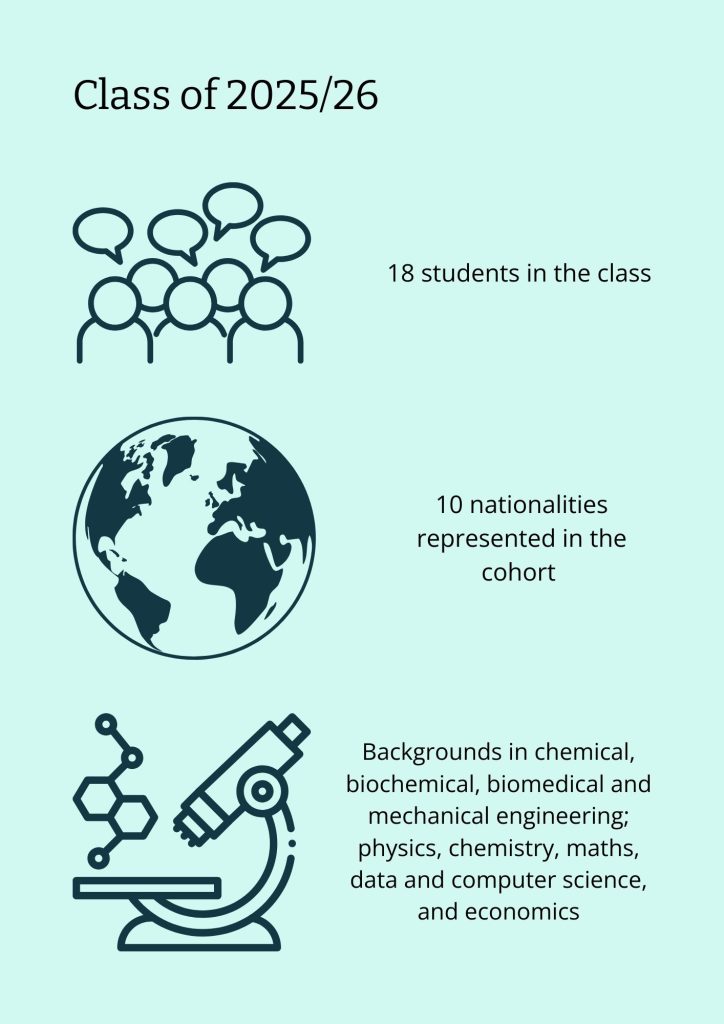
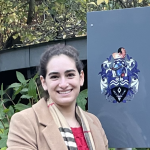
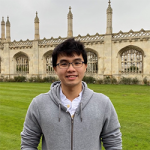
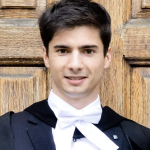
The MPhil in Biotechnology puts together a group of highly capable and motivated students from a range of academic and career backgrounds, from all over the world. Many wish to merge their expertise in engineering, physics, chemistry, maths or computer sciences with biotechnology. Others have research and/or employment experience in the bioscience sector.
They are all committed to become highly regarded players in biotechnology research and industry. The class size varies from year to year but is typically between 14 and 18 students.
Diversity at entry and a very interdisciplinary programme mean even more diversity at departure – since they left the MPhil in Biotechnology, our alumni have been pursuing a very wide range of careers in academia, large multinationals, small start-ups or the consultancy sector, among others.
Alumni benefits
As a University of Cambridge alum you will be entitled to a range of benefits, such as the official alumni card that instantly identifies you as a member of the University (CAMCard), a free email for life exclusive for our graduates, and access for life to our Careers Service.
The CEB Alumni Relations team works at the CEB level to further promote the connection between the Department, its current members and its alumni.
As part of your learning experience with us, you will also become a member of our own MPhil in Biotechnology Alumni Network. We value our alumni as an important part of the growing MPhil in Biotechnology community.
After you leave the programme, we would like to keep hearing from you, and we hope you will continue being involved in our community, follow CEB’s achievements, participate in our activities, share your experiences, support future programme editions and inspire the new students.
We also hope that the MPhil in Biotechnology Alumni Network will help you keeping in contact with your classmates as well as extend your professional network.




Careers
A basis for further study or a move into industry
Some of the hottest careers in science are linked to the rapid advances in the biotech sector. The MPhil in Biotechnology will equip you with the right set of skills to pursue a career in the pharmaceutical, healthcare, agritech, or bioenergy industries, or in other sectors where bioprocesses are important.
It may also be a stepping stone to PhD level studies. With us, you will acquire core and advanced knowledge in biotechnology, explore current trends and look at the latest technologies in relevant areas, gain a wide range of practical and transferable skills, and develop business awareness.
Tailored to your personal career goals
The programme’s structure and content are flexible so that you can tailor your studies to your interests and career goals by selecting your specialised modules and the area and department within the University in which you would like to carry out your research project.
As a student at the University of Cambridge you will have access to our exceptional Careers Service. This service provides general career planning advice, organises recruitment events that attract major global companies and high-profile employers, and offers one-to-one sessions with its careers advisers. The programme’s faculty and industry champions are also available to provide career advice in their area of specialisation.
Cambridge: a rapidly growing biotech hub
Our MPhil in Biotechnology incorporates the cutting-edge research being developed at the University of Cambridge, it has been designed in consultation with employers to take into consideration the workforce needs and skills gaps in the field, and it is continuously updated with the input from our industry champions.
The University of Cambridge is well known by the talent pool it generates, and its graduates are amongst the world’s most sought-after by employers.
As a natural result of its academic strength, the University of Cambridge has an enviable track record of spin-outs in biotech-related areas. Learn more about the University’s efforts to aid the transfer of knowledge through commercialisation from Cambridge Enterprise.
Networking
Throughout the programme, you will have plenty of opportunities to interact with classmates and other colleagues, alumni, a diversity of world-class academics and our industry champions and visitors. University-wide events (e.g. extra-curricular entrepreneurship activities) and the fact that Cambridge is home to one of the most important biotech clusters in Europe will also create great networking opportunities.
Entry requirements
Candidate profile
The programme is designed primarily for those who intend to develop interdisciplinary skills and apply their background in engineering, physics, chemistry, maths or computer sciences to the biotechnology sector. A degree in these areas is normally expected, but candidates from other backgrounds will also be considered, provided they possess strong analytical and numerical skills.
The MPhil in Biotechnology attracts applications from top quality students from across the world. We aim to admit highly motivated, perseverant, hard-working students, who are critical thinkers and enthusiastic about integrating scattered data and knowledge from different fields. We expect applicants to be able to demonstrate to the selection panel a high level of commitment, irrespective of formal academic qualifications.
We are committed to offering a diverse and inclusive environment, and welcome applications from under-represented groups, fully aligning with the University’s policies on equality and diversity. All applications are evaluated on the basis of academic merit.
Expected academic standard
Applicants should have achieved a UK high 2:1 honours degree or equivalent, for international degrees, as a minimum. If your degree is not from the UK, please consult the International Qualifications section of the Postgraduate Admissions Prospectus to find the equivalent standard in your country.
Please note that entry to the MPhil in Biotechnology is very competitive, and the Department is generally unable to consider candidates who only marginally meet this minimum academic standard. The normal intake is primarily of students who have achieved a UK first class honours degree or the international equivalent.
Competence in English
Candidates who are not native English speakers must demonstrate that they can read, write and speak English to the standard required to fully participate in the programme. Information on the language test scores required for the MPhil in Biotechnology can be found in the University Course Directory and the English Language Requirements section of the Postgraduate Admissions Prospectus.
How to apply
Admissions are normally open from early September until mid-May for entry in October of that year, but we encourage candidates to apply as soon as conveniently possible. Please note that other specific funding deadlines may be in place.
The University Course Directory will give the exact application and funding deadlines for the current admission cycle.
Application process
Applications are handled centrally by the Postgraduate Admissions Office, and you will find detailed information about the application process, admission criteria, colleges and funding, as well as the post-application stage in the University’s Postgraduate Studies Prospectus.
On application, you will be required to provide your transcripts, evidence of competence in English, your CV/resume, and details of two academic referees who will be contacted by the University to supply references. You will also need to provide a statement of interest (1500 characters) and explain your reasons for applying for the MPhil in Biotechnology (1500 characters). Note that additional elements may be required to apply for specific funding schemes (please refer to the Postgraduate Studies Prospectus).
After submitting an application, shortlisted candidates will be interviewed (normally by video call) before the Department formally recommends an offer of admission.
Completed applications are considered in sequence by the Department, the Degree Committee and the Postgraduate Admissions Office, and the duration of the process within each of these varies. Most of the applications are considered by the Department within 8 weeks of all required elements (including the academic references) being submitted. Many applicants receive a decision much earlier than this.
Early application is strongly recommended as we operate a continuous admission process, meaning that places on the programme are allocated on an ongoing basis throughout the year.
Finances and funding
Students enrolled in the programme must have funds available to pay fees and maintenance costs (please refer to the Finance section of the Postgraduate Studies Prospectus).
There is currently no specific funding being advertised for the MPhil in Biotechnology. Applicants may be eligible to apply for the general funding opportunities from across the collegiate University. The Postgraduate Funding Search tool will help you finding out which type of funding you might be eligible for, and how and when to apply.
Please note that the application deadline for some funding schemes may be much earlier than that advertised for the programme admissions in mid-May.